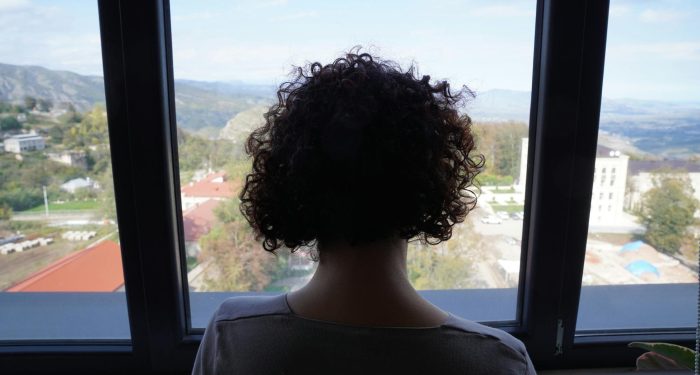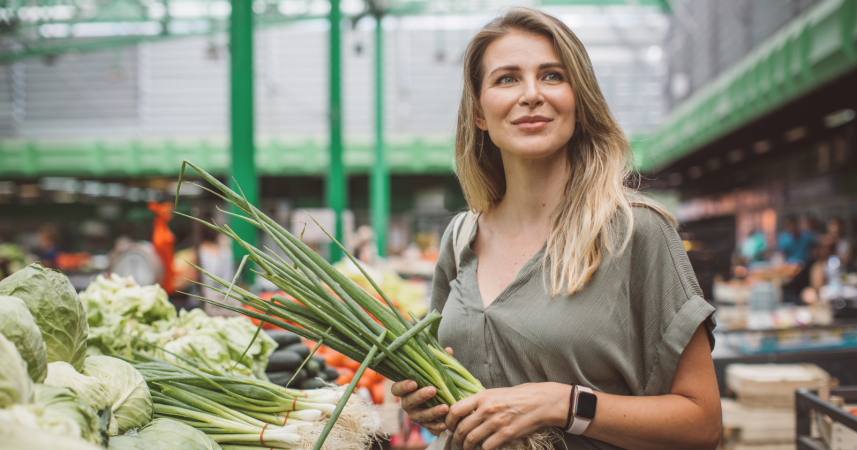
You mourn the person who could eat without thinking, love without explaining, and exist without defending — yet you can't go back to being them.
The weight of constant awareness
Remember when grocery shopping took 20 minutes? Now it's an exercise in label reading and ingredient googling.
Every restaurant visit becomes a negotiation. Every work lunch requires advance planning. Every social gathering involves that moment when someone notices what's not on your plate.
You develop this exhausting hypervigilance. You scan menus before agreeing to dinner plans. You pack snacks for trips because you know the options will be slim. You become an expert at politely deflecting the "but where do you get your protein?" conversation for the hundredth time.
The mental load is real, and nobody prepared me for it.
When love and values collide
Here's a scene from my life: my partner of five years reaches for pepperoni pizza with ranch while I'm eating my plant-based version. We've made it work, but do you know how many micro-negotiations happen in a mixed household?
Who does the dishes when there's been meat cooked? Separate cutting boards, separate sponges. The smell of bacon on weekend mornings that simultaneously repulses you and reminds you of childhood comfort. The careful dance of respecting each other's choices while privately wishing they saw what you see.
Or that Thanksgiving when my grandmother actually cried. She'd spent two days cooking, and I couldn't eat most of it. "You used to love my stuffing," she said, and something broke in both of us. How do you explain that rejecting her food isn't rejecting her love? How do you honor your values without dishonoring the people who raised you?
The loneliness of seeing differently
Once you know how the sausage is made (literally), you can't unknow it. You walk through the world seeing things others don't see, or choose not to see.
The cognitive dissonance becomes visible everywhere. People who rescue dogs while eating pigs. Environmental activists who haven't made the connection to their plates. Health-conscious friends who haven't looked at the research.
You bite your tongue a lot. You learn when to speak up and when speaking up will only create walls. You become strategic about your advocacy because you remember being on the other side, and you know that nobody likes the preachy vegan.
But staying quiet has its own weight.
The identity shift nobody talks about
Going vegan isn't just changing your diet. It's rewiring your identity.
You lose some friends. Not dramatically, but slowly. The ones who feel judged by your existence, even when you say nothing. The ones who stop inviting you because "it's too complicated." The ones who make your choice about them somehow.
You find new communities, sure. But there's grief in those losses. There's grief in becoming someone your past self wouldn't recognize. There's grief in realizing some relationships were built on shared consumption rather than deeper connections.
Finding peace with complexity
I've mentioned before that understanding psychology helps us make better decisions. Well, here's what I've learned about this particular psychological journey:
The grief is real and valid. You're mourning a simpler self, and that's okay.
You're allowed to feel frustrated by the inconvenience while still knowing you've made the right choice for you. These aren't contradictions; they're the complexity of being human.
You can love people who make different choices. You can set boundaries without building walls. You can be firm in your values without being rigid in your relationships.
The unexpected gifts
Here's what nobody tells you about this grief: it transforms into something else.
That hypervigilance becomes mindfulness. You start really tasting food, appreciating the creativity required to make plants sing. You discover cuisines from cultures that have been plant-based for centuries.
Those difficult conversations become opportunities for connection. Some people surprise you with their curiosity and openness. Others reveal their own struggles with change.
The loneliness evolves into a different kind of belonging. You find your people, the ones who get it without explanation. You develop deeper empathy for anyone swimming against the current of convention.
Wrapping up
Eight years in, I don't miss meat. But I sometimes miss the person who could go anywhere, eat anything, and never have to think twice about it.
That grief is real. It's valid. And it's worth acknowledging.
Because here's what I know: you can grieve the loss of simplicity while still choosing complexity. You can mourn your uncomplicated self while knowing you can't go back. You can feel the weight of awareness while recognizing it as the price of living according to your values.
The grief doesn't go away entirely. It just becomes part of your story, woven into the fabric of who you've become.
And maybe that's exactly as it should be.