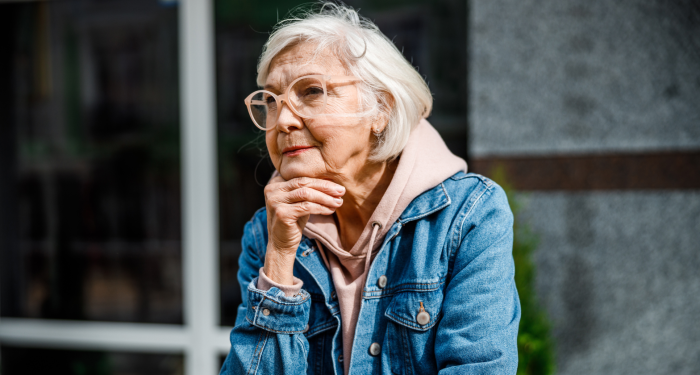
Watching my 68-year-old friend sob in her kitchen after her doctor's ultimatum about her diet, I realized she wasn't just being asked to change what she ate — she was being asked to abandon the pot roasts that meant Sunday family dinners, the recipes that connected her to her late mother, and seven decades of muscle memory that knew exactly how much butter to add without measuring.
"How do I just stop being who I am?"
She was sobbing into the phone, and for a long moment I didn't know what to say. My friend was 68, freshly diagnosed with severe heart disease, and her cardiologist had just handed her an ultimatum about everything on her plate. The pot roasts. The butter-slicked mashed potatoes. The recipes her mother had taught her standing on a kitchen stool at four years old. All of it, gone — or she would be.
I listened to her cry and thought about my own decades of cooking, the slow accretion of habits that become something closer to identity. Food isn't just fuel when you reach our age. It's the bread recipe your mother taught you, the casserole that got you through raising children alone, the roast that meant Sunday and family and everything being right with the world. When someone tells you at 50, 60, or 70 to change how you eat, they're asking you to rewire neural pathways that have been strengthening since childhood.
The weight of decades
Have you ever tried to change a habit you've had for just a year? Now multiply that by five or six decades. When people go plant-based after 50, they're not following a trend they read about online. They're usually responding to a health crisis, a diagnosis that shakes them to their core, or sometimes a gradual awakening that their body needs something different than what they've always given it.
The friend I mentioned earlier had built her entire identity around feeding others. For five decades, she'd shown love through pot roasts and beef stews, through recipes passed down from her mother and grandmother. Her roots ran deep with meat and potatoes traditions that meant security, prosperity, and care. When she stood in her kitchen after that doctor's appointment, looking at her cast iron pans and her shelf of time-worn cookbooks, she felt like she was being asked to erase her own history.
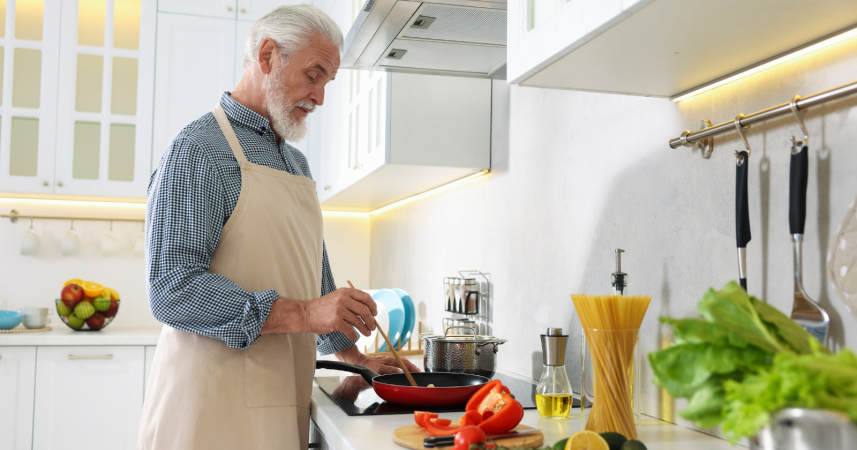
What struck me most about her journey was how the physical act of cooking had to be completely relearned. Her hands, which could shape meatballs without thinking, which knew exactly how much butter to add without measuring, suddenly fumbled with unfamiliar ingredients. Nutritional yeast? Tempeh? These weren't just new foods; they were foreign concepts that required her to override seven decades of muscle memory.
The invisible losses nobody talks about
Virginia Woolf once wrote, "One cannot think well, love well, sleep well, if one has not dined well." But what happens when dining well means something completely different than it has your entire life? The losses that come with late-life dietary changes extend far beyond the plate.
My friend discovered that her grandchildren initially resisted her new cooking. "Where's the real food?" her teenage grandson asked, poking suspiciously at a lentil dish. Her daughters worried she'd become extreme, viewing the dietary shift as another loss after she'd already been widowed. She found herself bringing her own dishes to family gatherings, watching her carefully prepared plant-based contributions sit untouched while everyone reached for the familiar favorites.
That's the part nobody warns you about. You don't just lose the food — you lose the place you used to occupy at the table.
The social isolation caught her completely off guard. Her supper club friends didn't know what to cook for her anymore. Restaurant outings became complex negotiations. The church potluck committee suggested she "just eat the sides," as if her dietary needs were an inconvenience to be worked around rather than respected. She told me she'd survived divorce stigma, but somehow explaining why she no longer ate animal products felt harder than all of those experiences combined.
Rebuilding from the ground up
What does it mean to rebuild your relationship with food after 50? For my friend, it meant approaching cooking like she once approached learning something new: with research, experimentation, and determined practice. She discovered that chickpea flour could make omelets, that cashews could become cream sauce, that vegetables she'd relegated to side dish status for decades had complex, satisfying flavors when they took center stage.
The persistence required for this transformation shouldn't be underestimated. Every meal required conscious choice, every grocery trip demanded new navigation skills. She stood in unfamiliar aisles with her bifocals, reading labels like she was studying a foreign language. But gradually, her lentil soup began to rival her mother's chicken noodle in comfort. Her arthritis improved. Her energy increased. Her doctor noted with surprise that her cholesterol had dropped dramatically.
As I wrote in a previous post about embracing change after retirement, sometimes the most profound transformations come when we think we're finished transforming. My friend's journey reminded me that our capacity for change doesn't diminish with age; sometimes it becomes more powerful because we finally understand what's truly at stake.
Beyond the plate
Here's what nobody tells you about making such a fundamental change later in life: it forces you to examine every other assumption you've held for decades. If my friend could change something as essential as how she ate, something tied to her mother's love and her own identity as a nurturer, what else might she reconsider?
She started questioning other "givens" in her life. Was she really too old to travel alone? She went to Italy. Did strength always mean never showing vulnerability? She began sharing her struggles more openly. Was tradition always worth preserving? She stopped hosting exhausting holiday gatherings that drained her for weeks. The ripple effects surprised everyone, including me. Her granddaughter, initially skeptical, started joining her for weekly cooking sessions, finding in these moments a different kind of inheritance than the handwritten recipes she'd expected. Her hiking group noticed her increased stamina. Her whole demeanor shifted, as if changing her diet had given her permission to take up space in other ways too.
Final thoughts
When people go plant-based after 50, they're not making a trendy lifestyle choice. They're dismantling decades of neural pathways, emotional attachments, and cultural conditioning. Whether that dismantling leaves something stronger in its place is a question I'm not sure any of us can answer while we're still inside it.
My friend called me again a few weeks ago. She'd brought her quinoa salad to a family dinner, and this time almost no one touched it. She laughed about it, mostly. Then she got quiet and said she sometimes wonders if she made the right choice, if the years she has left would have been better spent eating the food she loved with the people she loved, instead of becoming a stranger at her own table.
I didn't know what to tell her. I still don't. Maybe it's brave, what she's doing. Maybe it's just survival dressed up in better language. Maybe those are the same thing, and maybe they aren't, and maybe the only honest ending to a story like this is the one that refuses to end at all.
If You Were a Healing Herb, Which Would You Be?
Each herb holds a unique kind of magic — soothing, awakening, grounding, or clarifying.
This 9-question quiz reveals the healing plant that mirrors your energy right now and what it says about your natural rhythm.
✨ Instant results. Deeply insightful.
Marlene Martin
Marlene Martin is a retired high school English teacher who spent 38 years in the classroom before discovering plant-based eating in her late sixties. When her daughter first introduced her to the idea of removing animal products from her diet, Marlene was skeptical. But curiosity won out over habit, and what started as a reluctant experiment became a genuine transformation in how she thinks about food, health, and aging.
At VegOut, Marlene writes about nutrition, wellness, and the experience of embracing new ways of eating later in life. She brings a teacher’s instinct for clarity and patience to topics that can feel overwhelming, especially for readers who are just beginning to explore plant-based living. Her writing is informed by personal experience, careful research, and a belief that it is never too late to change.
Marlene lives in Portland, Oregon, where she spends her mornings reading research papers, her afternoons tending a modest vegetable garden, and her evenings knitting while listening to audiobooks. She has three adult children and two grandchildren who keep her honest about staying current.
More Articles by Marlene