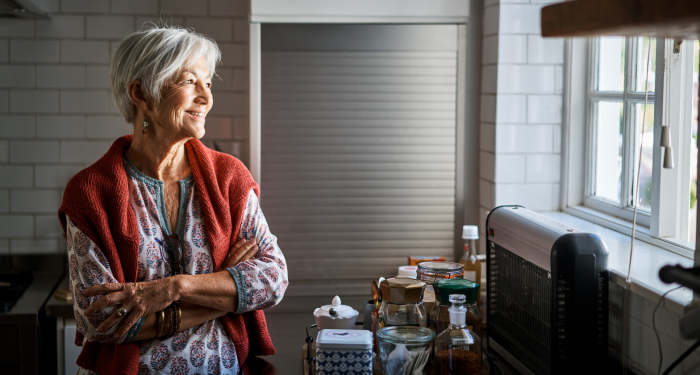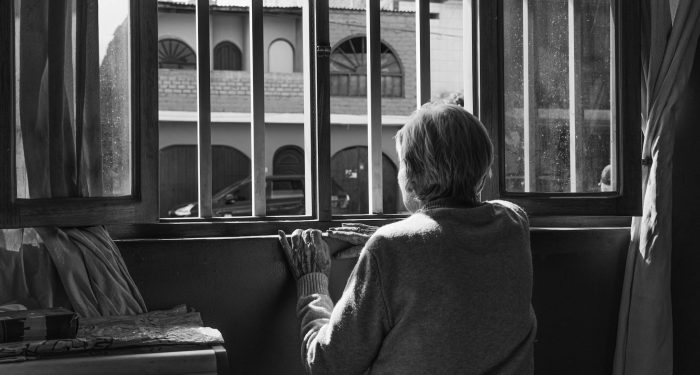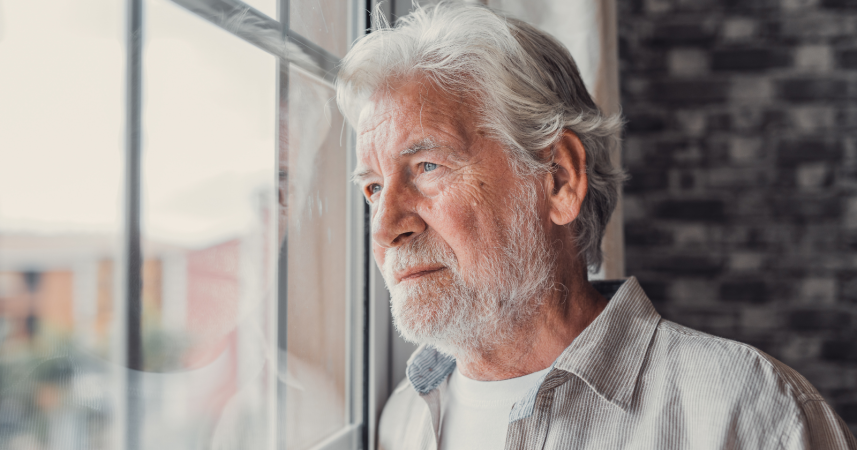
The cardinals arrive at 6:47 AM like clockwork, and watching them through my kitchen window, I realize my grandchildren will never understand this kind of seeing—not because screens have ruined them, but because the world no longer makes room for the magnificent boredom that once taught us who we were.
I've been thinking lately about how my grandchildren will never know this kind of watching. Not because they're incapable of it, but because the world no longer permits it. They visit me carrying devices that buzz and ping with the urgency of elsewhere, and even when they set them aside, I can see their fingers twitch toward phantom vibrations. When I tell them about the summers of my childhood, when entire weeks would pass with nothing but library books and the sound of lawnmowers, they look at me with the same polite confusion I once reserved for my mother's stories about rationing during the war. How do you explain abundance to someone who has only known scarcity? How do you explain scarcity to someone who has only known abundance?
The thing is, we weren't trying to be profound back then. We were just bored. Magnificently, spectacularly bored in a way that seems almost impossible now. Boredom that stretched from June to September, broken only by the ice cream truck's melody and the occasional trip to the community pool. We'd lie on our backs in the grass until our skin itched, making up stories about cloud shapes that nobody else could see. We'd reorganize our bedroom furniture just to have something to do, then move it all back the next day. We'd read the same Nancy Drew mystery four times because the library was a bike ride away and you could only check out three books at a time.
This wasn't some pastoral idyll. My parents fought behind closed doors they thought were soundproof. The neighbor's son came back from Vietnam different, and nobody talked about why. We had duck-and-cover drills at school, crouching under our desks as if particleboard could protect us from nuclear war. But between these anxieties lay vast stretches of nothing, and in that nothing, something grew. Call it attention, call it imagination, call it the particular kind of self that emerges only when left alone long enough to ferment.
I tried to give my own children this gift, but by then, the world had already begun to speed up. Saturday morning cartoons gave way to cable channels that never signed off. The phone in the kitchen became phones in every room, then phones in every pocket. Play dates required coordination and calendars. Even boredom became something to schedule, packaged as "quiet time" or "creative play," which is like scheduling spontaneity or organizing chaos.
The house feels too large now, though it's the same 1,400 square feet it's always been. I stand in the kitchen where I've made approximately 14,000 dinners, and I can still hear the ghost of my children arguing over whose turn it was to set the table. The silence has weight to it, not heavy exactly, but present, like morning fog. Sometimes I wonder if this is what we were all running from with our busy-ness, our devices, our constant connectivity: the sound of our own thoughts in an empty room.
Teaching high school for 32 years meant watching this transformation in real time. My early students could sit with a poem for an entire class period, turning it over like a stone in their hands, finding new facets each time they looked. By the time I retired, I was competing with phones buzzing in backpacks, the siren call of somewhere else, someone better, something more interesting than Frost's snowy evening or Dickinson's narrow fellow. I adapted, of course. You don't survive three decades in a classroom without learning to evolve. But something essential had shifted, like trying to have a conversation in a room where a television is always on. Even muted, it pulls the eye, fractures the focus.
The irony isn't lost on me that I'm writing this on a computer, pecking away with fingers that learned to type on a manual typewriter in 1969. I video-call my granddaughter in Seattle. I use a meditation app that finally helped me manage anxiety I've carried since childhood. I don't want to go backward. I don't miss party lines or having to wait three weeks to see if your vacation photos turned out. I certainly don't miss the shame of being a divorced woman in the late seventies, raising two children on food stamps while neighbors pretended not to notice.
What I miss, what my generation carries like a stone in our pocket, is harder to name. It's the space between things. The pause before answering because you had to actually think, not Google. The way a summer day could feel both endless and complete. The specific quality of attention that came from having fewer options, not more. When you were reading, you were only reading. When you were walking, you were only walking. When you were talking to someone, they had your whole face, not just the part that wasn't checking for notifications.
My knees are titanium now, both replaced in my sixties, and they remind me of their artificiality when the weather changes. But they still carry me on my evening walks, the same route I've taken for fifteen years. I see the teenagers smoking behind the gazebo, thinking they're invisible. I was a teacher; I see everything. But I keep walking because some lessons you have to learn yourself, like how boredom can be a gift if you let it bloom into something else.
Last week, my grandson asked what we did when we were bored as kids. I told him that's when we became ourselves, in those long, empty hours when our minds had to make their own entertainment. He looked at me the way my students used to when I'd insist that reading "The Great Gatsby" would matter to them someday. Polite but skeptical, like I was describing rituals from an ancient civilization.
Which, I suppose, I am. The world that made that particular kind of attention possible has been quietly dismantled, piece by piece, replaced by something faster and louder and more insistent. We traded depth for breadth, and most days, I'm not sure we came out ahead. But I keep my little acts of resistance. I write letters by hand, even though my arthritis protests. I sit in my garden without my phone and let my thoughts wander where they will. I read actual books, marking passages with pencil, feeling the weight of pages turned.
Final thoughts
The cardinals will be back tomorrow at 6:47, and I'll be here watching them, carrying my nostalgia like that smooth stone, heavier than it looks. Maybe that's enough, this small insistence on noticing, on staying still long enough to see what happens next. Maybe that's all we can do: tend these pockets of the old attention, these small rebellions against the flattening of experience, and remember what it felt like to be bored, back when that was the beginning of something, not something to be cured.