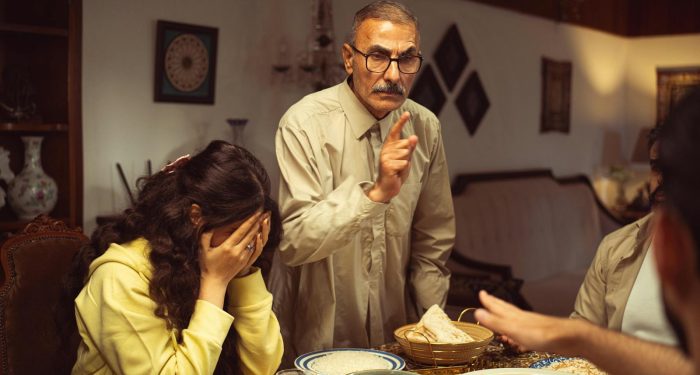
The defensive monologue about bacon that erupts when you dare to eat a salad in public isn't about meat at all — it's about the uncomfortable mirror your quinoa holds up to their unexamined choices.
You're at a dinner party, enjoying your quinoa salad, when someone notices your plate lacks meat. Suddenly, they launch into a passionate defense of their steak, explaining why they could "never give up bacon" and how humans are "meant to eat meat."
You didn't say a word about their choices. You didn't even make eye contact with their plate. Yet here they are, constructing elaborate justifications for something you never questioned.
Sound familiar?
This defensive reaction reveals something profound about human psychology. When people feel the need to justify their food choices unprompted, they're not really talking about food at all. They're protecting something much deeper: their sense of self.
The psychology of food and identity
Food isn't just fuel. As Gillian McCann, Ph.D., and Gitte Bechsgaard, RP explain, "Food has traditionally been treated with reverence– it has been blessed, offered up, shared, and understood as a marker of group identity."
Think about that for a moment. Every meal you eat connects you to your culture, your family traditions, your social circles. When someone makes different food choices, especially visible ones like plant-based eating, it can feel like a rejection of those shared values.
I learned this the hard way eight years ago at my grandmother's Thanksgiving. After watching a documentary that changed my perspective on food, I showed up to her meticulously prepared feast and politely declined the turkey. She actually cried. To her, I wasn't just refusing food. I was refusing love, tradition, and connection.
That moment taught me something crucial: our food choices are deeply intertwined with our identities. When someone perceives your choices as a threat to their identity, defensiveness becomes their shield.
Why denial feels safer than questioning
The American Psychological Association defines denial as "an unconscious process that functions to resolve emotional conflict or reduce anxiety."
When faced with someone making different choices, particularly ones that might be considered more ethical or healthier, people often experience cognitive dissonance. Their brain recognizes a gap between their actions and their self-image as a good person making good choices.
Rather than examining that gap, denial kicks in. It's psychologically easier to dismiss the validity of your choices than to question their own.
After becoming vegan, I spent three years as that insufferable person who preached at every meal. My friend Sarah's birthday dinner stands out as a particularly cringe-worthy memory. Instead of celebrating her, I turned the evening into a lecture about factory farming. Looking back, I realize I was doing exactly what I now see others do: defending my choices aggressively because I was insecure about my new identity.
The threat to self-concept
Research shows that when individuals perceive a threat to their self-integrity, they engage in defensive processing, dismissing or avoiding information that challenges their self-concept.
Your vegetable plate becomes that threat. Without saying a word, your choices might make someone question whether they're making the "right" choices. Are they healthy enough? Ethical enough? Conscious enough?
These questions are uncomfortable. So instead of sitting with that discomfort, many people launch into preemptive defenses. They'll explain why they need protein (as if plants don't have any), why their ancestors ate meat (as if we still live in caves), or why their doctor said they need iron (as if spinach doesn't exist).
What they're really saying is: "I'm a good person, and my choices are valid."
How food choices trigger defense mechanisms
Judith J. Wurtman, Ph.D., notes that "Denial may affect people's food choices by making it possible to not think about the unhealthy ingredients in foods they choose to eat."
This denial extends beyond just health considerations. When confronted with alternative food choices, people might deny the environmental impact, ethical considerations, or health benefits associated with different dietary patterns. It's not malicious. It's protective.
My partner loves pepperoni pizza with ranch. We've lived together for five years, and not once have I asked him to change. Yet sometimes, when I'm cooking my plant-based meals, he'll spontaneously explain why he "needs" meat for his workouts or how he's "cutting back" even though I haven't said anything.
He's not defending his pizza. He's defending his self-image as someone who makes thoughtful choices.
The maturity factor in food psychology
Here's where it gets really interesting. Research has found that individuals with immature defense mechanisms place greater personal importance on unhealthy behaviors, including junk food consumption.
This doesn't mean everyone who eats differently is psychologically immature. But it does suggest that our relationship with food reveals our psychological development. Mature individuals can hold space for different choices without feeling threatened. They can acknowledge that someone else's salad doesn't invalidate their sandwich.
The ability to say "that's interesting, tell me more" instead of "well, I could never do that because..." marks a significant psychological difference.
Moving beyond food fundamentalism
So what do we do with this understanding?
First, recognize that food psychology involves complex factors including "how people choose the food they eat (food choice), along with food and eating behaviors." Everyone's choices stem from a unique mix of culture, experience, knowledge, and circumstance.
Second, understand that someone's defensive reaction to your food isn't about you. You're just a mirror reflecting questions they're not ready to ask themselves.
When someone launches into their meat manifesto while you quietly eat your vegetables, try responding with curiosity rather than judgment. "That's interesting, what makes you feel that way?" often diffuses defensiveness better than any argument could.
I learned this after ruining too many dinners with my preaching phase. Now, when people ask about my choices, I share my story without prescription. When they don't ask, I just eat my food and let them eat theirs.
Wrapping up
The next time someone gets defensive about your vegetable plate, remember: they're not defending their food. They're defending their identity, their traditions, their sense of being a good person making good choices.
Your plate becomes a mirror, and not everyone is ready to look into it. That's okay. We all have our own timeline for questioning and growth.
The most powerful thing you can do? Simply be comfortable with your own choices without needing to defend or evangelize them. When you're secure in your decisions, you don't need anyone else's validation or agreement.
And who knows? Sometimes the person who's most defensive today becomes the most curious tomorrow. But that journey has to be theirs to take, not yours to force.
After all, the most profound changes happen not when we're told what to think, but when we're finally ready to question what we've always believed.