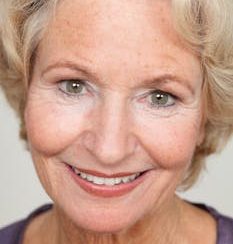
After 32 years of teaching, I discovered retirement doesn't just end your career — it strips away your entire identity in ways no one prepares you for, leaving you standing in your kitchen at 7:15 AM, fully dressed with nowhere to go.
My first Monday of retirement, I stood in my kitchen at 7:15 AM, dressed and ready for work. Coffee made. Lunch packed. Keys in hand. For thirty-two years, this routine had launched my days teaching high school English. But that morning, there was nowhere to go. No classroom waiting. No students rushing through hallways. Just me, fully dressed with nowhere to be, holding a brown bag lunch I didn't need.
I sat down at my kitchen table and cried.
Not the gentle tears of nostalgia or even the sharp grief I'd known when I lost my husband two years earlier. These were tears of confusion, of being utterly untethered. The four walls of my kitchen felt both too small and impossibly vast. Who was I if not the teacher with the Shakespeare posters and the red pen that could spot a comma splice from across the room?
The invisible losses nobody talks about
When colleagues threw my retirement party, they spoke of freedom and sleeping in, of endless vacations and finally having time to read for pleasure. They gave me gardening tools and gift cards to restaurants. What they didn't give me was a roadmap for navigating the complete dismantling of everything that had defined my adult life.
Structure vanished first. For decades, bell schedules had choreographed my days into precise intervals. First period at 7:45. Lunch at 11:30. Faculty meetings every Wednesday at 3:15. Even my bladder had adapted to these rhythms. Now, time became this shapeless thing. I'd look up from a crossword puzzle to discover three hours had passed. Or I'd check the clock every five minutes, amazed at how slowly time moved when you weren't racing against it.
Have you ever noticed how much of our identity comes from what we do rather than who we are? At dinner parties, introductions always started with "This is Marlene, she teaches at the high school." Now they stumbled: "This is Marlene, she's... retired." That pause before "retired" felt like falling into a hole. My professional status, built over three decades, evaporated overnight. The respect that came with being an educator, the authority in my subject area, the simple dignity of having an answer to "What do you do?" All gone.
When purpose becomes past tense
Virginia Woolf once wrote, "Without self-confidence we are as babes in the cradle." Retirement stripped away my confidence along with my purpose. For thirty-two years, I'd known exactly why my alarm went off each morning. Struggling readers needed guidance. Young writers needed encouragement. Student teachers needed mentoring. My purpose was clear, tangible, measurable in improved test scores and college acceptance letters.
Suddenly, I was purposeless. Not in the dramatic, existential sense, but in the mundane, daily sense that slowly erodes your spirit. Why get up early? Why shower before noon? Why bother cooking a real meal for one person? The freedom everyone celebrated felt more like free fall. I'll say plainly what I once tried to soften: the cultural script around retirement is dishonest. We sell it as reward when, for many, it is closer to a controlled demolition. The brochures show beaches; nobody photographs the Tuesday afternoon when you realize you haven't spoken aloud since yesterday. Pretending otherwise does new retirees a disservice, and it left me unprepared in ways I'm still cataloguing.
The loss of daily human contact hit hardest. Teaching is inherently social. Between students, colleagues, parents, and administrators, I interacted with hundreds of people weekly. These weren't deep friendships, necessarily, but they were connections. The math teacher who always complained about the copier. The assistant principal who knew how I took my coffee. The students who waved in the grocery store years after graduation.
Retirement meant days when my longest conversation was with the pharmacy automated refill system. I started shopping at different times just to see different cashiers. I invented errands that required human interaction. The silence in my house grew so loud I left the television on just for the sound of voices.
Learning to grieve what isn't dead
What surprised me most was the shame.
How could I be grieving when nothing tragic had happened? I'd chosen retirement. I had my health, my home, my family. Friends facing cancer diagnoses or financial ruin had real problems. Mine seemed manufactured, privileged, silly.
But grief doesn't require death. Sometimes we grieve the life we're leaving behind, the identity we've outgrown, the future we thought we'd have. This retirement grief was particularly tricky because it came disguised as freedom. Everyone expected me to be thrilled. Facebook is full of smiling retirees on beaches. Nobody posts about crying into their morning coffee because they don't know what to do with their day.
Six months in, my daughter started calling more frequently, her voice tight with worry. "How are you really?" she'd ask, and I'd lie because admitting the truth felt like admitting failure. I'd been a strong, capable woman my whole life. How could I explain that retirement had reduced me to someone who celebrated having a dentist appointment because it gave structure to my week?
The slow rebuild
Recovery didn't come through any grand epiphany. It came through small, deliberate choices. I started volunteering at the literacy center, teaching adults to read. Different students, different challenges, but familiar territory. The routine of Tuesday and Thursday mornings gave my week backbone.
I joined a writing group at the library, partly for structure but mostly for connection. These weren't the rushed hallway conversations of my teaching days but deeper, slower friendships built over shared stories and terrible coffee. We laughed about our grown children, worried about our aging parents, and gently critiqued each other's prose.
Purpose shapeshifted rather than returned. Instead of grading essays, I wrote letters to my grandchildren for their future birthdays. Instead of teaching Shakespeare to teenagers, I led book discussions at the senior center. Instead of mentoring student teachers, I guided women at the women's shelter through job applications. The scale was smaller, but the impact felt just as real.
Creating new structure required imagination and discipline. Monday became grocery and errands day. Wednesday meant water aerobics. Friday was for lunch with rotating friends. I learned to build scaffolding for my days without recreating the rigidity I'd escaped. The freedom everyone had promised finally started feeling free rather than empty.
Final thoughts
Two years into retirement, I met a newly retired nurse at my volunteer orientation. She had that same hollow look I'd worn, that bewilderment at finding herself unmoored. "I don't know who I am anymore," she whispered during our break, and I recognized the grief in her voice.
"You're the same person," I told her. "You're just learning new ways to be her."
I'm not sure I believe that. Or rather, I believe it on Tuesdays at the literacy center, and doubt it on Sunday evenings when the house goes quiet too early. Some of what retirement took from me has come back wearing different clothes. Some of it hasn't, and I've stopped expecting it to. Status, in particular, never reassembled into anything I'd recognize as status — it just thinned out and stayed thin.
What I told the nurse was the kindest thing I had to offer, not the truest. The truest thing is that she will cry in her kitchen, probably more than once, and no one will quite know what to say. The grief is real. That part I'm certain of.