After seeing my narrowing arteries on a screen and hearing my cardiologist ask if I wanted to live to see my grandchildren graduate, I discovered that fear—not willpower or nutrition science—became the force that transformed my relationship with food and mortality at 60.
I'd been through medical scares before. A breast cancer scare at 52 that taught me to stop postponing joy. Knee replacements at 65 and 67 that had me learning to walk again. Seven years of watching Parkinson's slowly steal my second husband away, followed by the particular grief that comes with widowhood at 68. But something about seeing those arterial images, those narrowing passages that were quite literally the paths to my heart, made death suddenly specific and measurable in a way it had never been before.
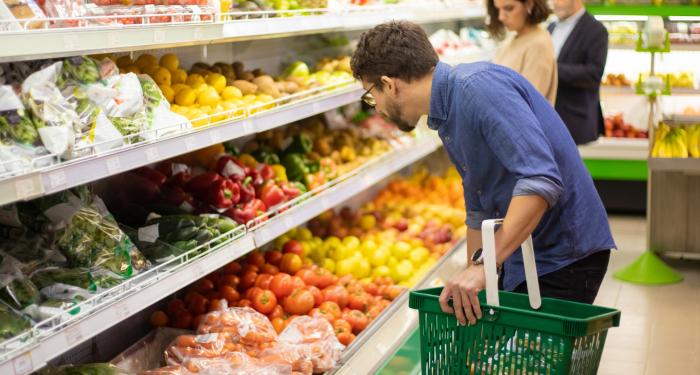
The fear hit me in the grocery store produce section that first week. I stood there with my cart, staring at vegetables like I'd never seen them before, googling "what do vegans eat" on my phone while other shoppers maneuvered around me. My daughter laughed when I called her crying because I couldn't figure out how to make coffee without cream. "Mom," she said, "you taught me to be self-sufficient when Dad left. You can learn this."
She was right, of course, but decades of eating habits don't leave quietly. My body rebelled against the absence of Sunday pot roasts, against mornings without eggs, against the loss of my mother's butter-heavy recipes that had been passed down through generations like precious heirlooms. I dreamed about cheese. I actually dreamed about cheese. I stood in my kitchen one afternoon, holding my mother's recipe box, running my fingers over her handwriting on cards I could no longer use, and I wept.
The women in my widow's support group thought I'd lost my mind. We met every week at the same coffee shop, same corner table, same orders. Margaret looked at me over her late afternoon cappuccino when I ordered herbal tea and told them about my new diet. "At our age?" she said. "What's the point of depriving yourself now?"
But deprivation wasn't what this felt like. It felt like desperation. Every time I wavered, every time I wanted to give in to the familiar comfort of foods that had sustained me through single motherhood and teaching teenagers Shakespeare for 32 years and two marriages and all the losses that come with seven decades of living, I thought about my oldest granddaughter. I thought about my 2-year-old great-grandchild. I thought about the birthday letters I'd been writing for each grandchild to open when they turn 25, and how many I still had left to write.
The fear became my strangest companion. It woke me at 3 AM, sending me to Google symptoms I shouldn't Google. It made me hypersensitive to every chest sensation, every skipped heartbeat, every moment of breathlessness climbing stairs. But it also did something I didn't expect. It gave me back something I thought I'd lost when my husband died: a fierce reason to fight for more time.
Three months in, I could climb the library steps without stopping to catch my breath. Six months in, my arthritis hurt less. A year in, I needed fewer medications for the insomnia and anxiety and chronic pain I'd accepted as the inevitable price of aging. My body, which I'd thought of as slowly betraying me, began to feel like an ally again.
The social cost was higher than the physical one. Sunday dinners with my sisters became negotiations about what I could eat. Church potlucks became minefields of well-meaning people insisting I try "just a bite" of their famous casserole. Dating, which I've tentatively started, means explaining on first meetings why I won't share a pizza, why the steakhouse isn't an option, why this isn't just a phase or a diet but a complete reimagining of how I live.
My son thinks I've joined some kind of cult. He brings up studies about moderation, tells me about his friend's grandfather who lived to 95 on bacon and bourbon. My daughter worries I'm becoming obsessive. Even my grandchildren roll their eyes when I read ingredient labels at the grocery store. But my 22-year-old granddaughter recently asked me to teach her my new lentil soup recipe. "You seem different, Grandma," she said, chopping carrots beside me in my kitchen. "Lighter somehow."
She's right, though it's not just the twenty pounds gone that have helped my replaced knees. It's the lifting of a burden I didn't realize I was carrying: the assumption that after 60, the body only declines, that we must accept the narrowing of possibilities along with the narrowing of arteries, that fighting for health at this age is somehow undignified or pointless.
People want to debate the science with me. They forward articles about the Mediterranean diet, about moderation in all things, about the importance of enjoying life's pleasures. I don't argue anymore. This isn't about them. It's about those four minutes in the cardiologist's office, about the question he asked that was really dozens of questions folded into one: Do you want to dance at their weddings? Do you want to hold their children? Do you want to see who they become?
Yesterday, my great-grandchild took her first steps. I was there, sitting cross-legged on the floor, something I couldn't have done two years ago, my hands ready to catch her if she fell. This is what fear has bought me: not just the possibility of graduation ceremonies in the future, but the flexibility to sit on floors right now, the energy to keep up with toddlers, the clarity to be fully present in these small, essential moments.
The fear hasn't left. It probably never will. It's become my nutritionist, my personal trainer, my accountability partner. Every meal is now a choice, a small act of rebellion against those narrowing spaces in my arteries, a declaration that I'm not done yet. It's exhausting sometimes, this constant choosing, this daily confrontation with mortality served alongside every plant-based meal.
Final thoughts
Last week, I finished another birthday letter, this one for my youngest grandchild to open in 2041. I'll be 89 if I'm there to watch her open it. That "if" used to feel like surrender, but now it feels like motivation. The fear that drove me to change everything hasn't diminished; it's just transformed into something more useful than terror. It's become a practice of choosing the future over the past, hope over habit, the possibility of presence over the comfort of familiar foods. Those four minutes in the cardiologist's office taught me that fear, properly applied, might be the most effective nutritionist on earth. Not because it makes eating easier, but because it makes the choice to keep living impossible to ignore.
What’s Your Plant-Powered Archetype?
Ever wonder what your everyday habits say about your deeper purpose—and how they ripple out to impact the planet?
This 90-second quiz reveals the plant-powered role you’re here to play, and the tiny shift that makes it even more powerful.
12 fun questions. Instant results. Surprisingly accurate.