Independence often masks a quieter fear: that nobody will stay if we actually ask for help. What we call strength might just be a bet we're making about who can be trusted.
Independence gets sold to us as a virtue, but a lot of what passes for independence is actually a quiet bet that nobody will show up if we ask. We call it strength. We put it on resumes. We frame it as the thing that distinguishes the self-sufficient adult from the needy one. And then, if we pay close enough attention, we notice something less flattering underneath.
I used to think I was a person who just preferred to handle things alone. Moving apartments, recovering from a flu, sorting out a complicated decision about work. I'd wave off offers of help with what I thought was grace. It took me an embarrassingly long time to notice the pattern: I only insisted on doing things alone around certain people. Around others, I asked freely. The difference wasn't the task. It was the person.
That difference, once I saw it, was hard to unsee.
The version of independence that's actually a hedge
The conventional wisdom says independence is a sign of maturity. And sometimes it is. But there's a second kind that wears the same clothes and behaves very differently underneath. It's the version where you don't ask because you've already calculated that the asking will cost you more than the carrying.
You don't trust the person to stay if you need something. So you make sure you never need anything. Then you call the result freedom.
In attachment theory, what I'd been describing as independence often maps onto what's called avoidant attachment, a pattern characterized by denying attachment needs and suppressing attachment-related thoughts and emotions. The avoidant person distrusts a partner's goodwill and tries to maintain emotional distance. They feel trapped when they get too close.
That last part stopped me when I read it. Trapped. Not by the closeness itself but by the implicit deal it represents: I might need you, and you might not be there.
Where the pattern actually starts
The instinct to handle everything alone usually doesn't begin in adulthood. It begins much earlier, when a child learns that some needs are welcomed and others aren't. Building on the concept of self-abandonment, this gradual process describes how a person learns to ignore or suppress their own needs to gain acceptance. Critical, inconsistent, or emotionally unavailable caregiving creates anxiety and avoidance, and children sometimes conclude their needs are simply not a priority.
If you grew up around people who treated your needs as inconvenient, you didn't stop having needs. You just stopped showing them. And then, decades later, you notice that you're proud of how little you require from anyone, and you mistake that pride for character.
It isn't character. It's a strategy that worked so well you forgot it was a strategy.
The selectivity is the tell
Here's the giveaway, and the thing that finally cracked it open for me. True independence doesn't move with the room. It's stable. You operate the same way whether you're with your closest friend or a stranger. What I had wasn't that. Mine was conditional. Around people whose disappointment I was afraid of, I went silent about what I needed. Around people I genuinely trusted, I asked for help without thinking. Same person, same week, completely different posture. That's not a value. That's a defense.
I wrote recently about realizing that being easygoing only around certain people meant I wasn't actually easygoing — I was managing perceived threat. The same logic applies here. If you only need help around people you trust, your independence isn't independence. It's a risk-management protocol with better marketing.
Why trust is the underrated variable
Recent research on attachment styles in marriage has found that trust is central to maintaining secure attachment, while mistrust fuels anxious attachment patterns.
This framing is useful because it puts trust at the center, not personality type. The tension between wanting a relationship to work while not trusting it describes a lot of people I know, including a former version of me.
What I'd been calling independence was really just the absence of trust dressed up as a personal preference. I wasn't avoiding help because I didn't want it. I was avoiding the experience of asking for it and finding out the other person wouldn't deliver.
The cost of the strategy
The strategy works, in a narrow sense. You never get let down by people you didn't ask anything of. You never have to feel the specific sting of reaching out and being met with distraction or annoyance.
But the cost is high, and you only see it later.
You never find out who would have shown up. You never give people the chance to surprise you. You stay in relationships that look fine on paper because you've made yourself so undemanding that there's nothing to test. And then, eventually, you start to feel a loneliness that doesn't make sense given how many people are technically in your life.
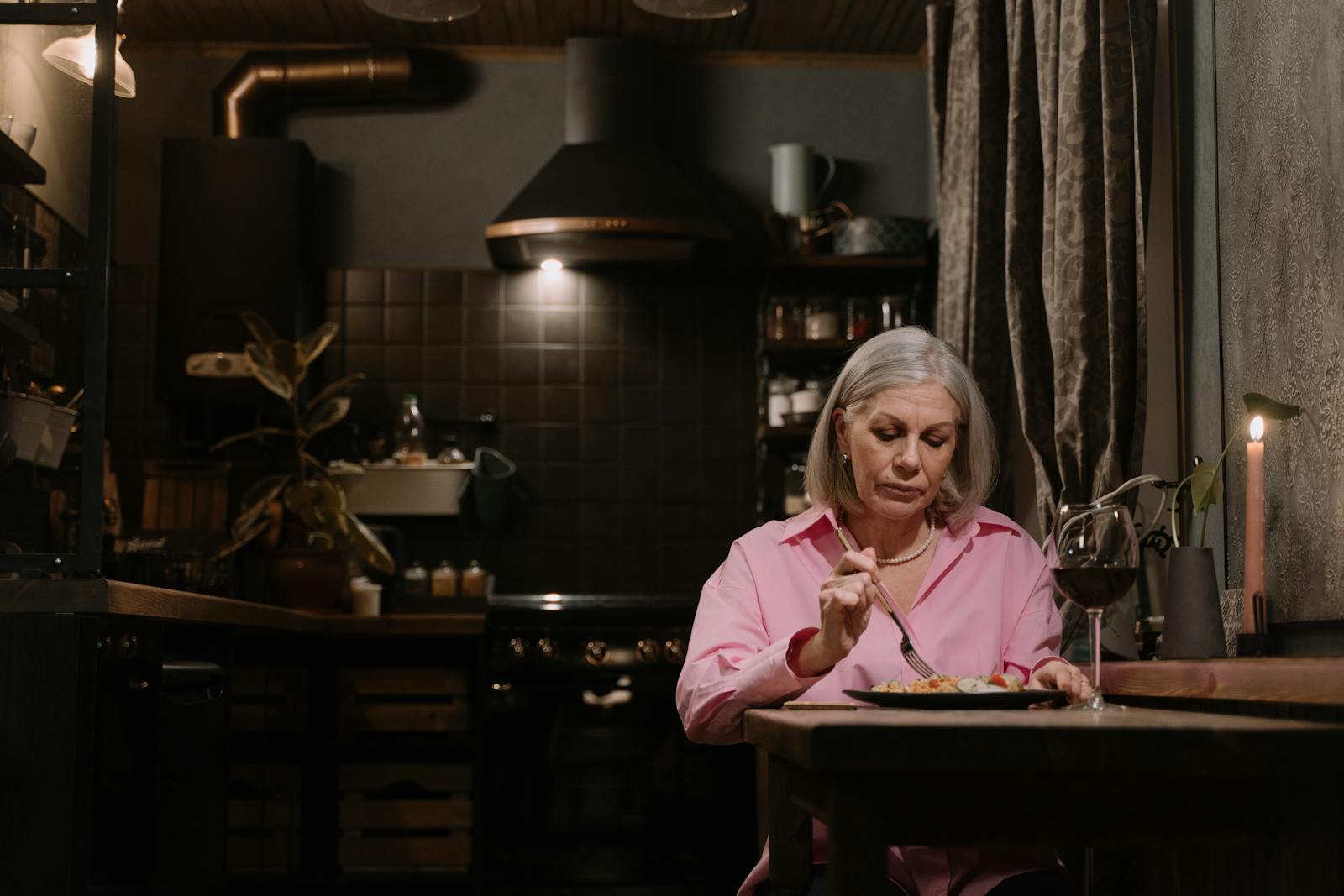
This is the part that gets missed in conversations about self-reliance. Independence without trust isn't freedom. It's solitary confinement that you've decorated.
The interdependence most people skip past
The healthier alternative isn't dependence. Nobody's arguing for that. The alternative is interdependence, which sounds like a workshop word but actually describes something specific. Humans are wired for connection, and intimacy and authentic communication are central to most close relationships, particularly romantic ones.
Interdependence means you can do things alone and you can ask for help, and the choice between the two is based on what the situation actually calls for, not on which one feels emotionally safer. They're competent and self-directed, and they can also express genuine need without contradiction.
Most people I know who seem genuinely free have this. They're competent and self-directed, and they also call their friends when they're falling apart. They don't see those as opposing skills.
What the recognition actually feels like
Recognizing this in yourself is uncomfortable in a particular way. It doesn't feel like a breakthrough. It feels like getting caught.
You realize the version of yourself you'd been admiring — the one who handles everything, who doesn't burden anyone, who has it together — was partly built on a quiet refusal to find out whether the people in your life could be counted on. You'd been protecting yourself by never giving them the chance to fail you. Or, more accurately, never giving them the chance to show up.
Building on ideas about identity construction, people often misread their coping mechanisms as values. That's exactly what was happening for me. I'd taken a coping mechanism and put it on the values shelf, and then I was confused about why my life felt smaller than it should have.
What changes when you let people in
The fix isn't dramatic. It isn't announcing to everyone that you've been emotionally unavailable and now you're not. The fix is small and specific: you ask for something you would normally have handled alone, from a person whose answer you can't predict.
Sometimes they show up. Sometimes they don't. Both pieces of information are useful.
The people who show up become more central to your life, slowly, because you've actually let them be useful to you. The people who don't, you stop pretending are closer to you than they are. Our emotional management strategies become invisible to us, and asking is one way to make them visible again.
I think this connects to something I wrote about earlier — the grief of having needed less than you actually did. When you stop asking, the world adjusts. People take you at your word. And then you spend years quietly mourning the help that was never offered, not realizing you'd made yourself look like you didn't want it.

Freedom, redefined
The independence I had was real, but it was small. It was the freedom to never be disappointed by anyone, which is the same as the freedom to never be supported by anyone. I'd been calling that a wide life. It was actually a narrow one with high walls.
What I'm trying to build now is different. It's the kind of independence that's not a hedge against people leaving. It's a baseline I operate from while also letting people in close enough that they could disappoint me, and trusting myself to be okay if they did.
That second part is the work. Not the asking. The being okay if it doesn't go well.
You can't build that by avoiding the situations where it might be tested. You build it by walking into them, in small doses, with people who've earned a little of your faith. You let them help you carry something. You see what happens.