Some people stay silent about their childhoods not from privacy, but from hard-won knowledge that speaking costs more than silence. What gets mistaken for emotional guardedness is often a calculation made long ago.
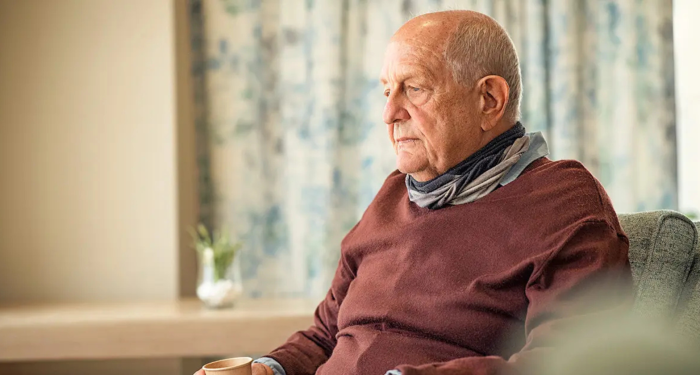
Silence about childhood is usually read as a wound. It's more often a calculation. People who don't talk about what happened to them aren't stuck or shut down or waiting for the right person to draw them out — they've run the numbers, more times than anyone watching them realizes, and concluded that the telling costs more than the carrying.
This cuts against most of what we're told about healing. The dominant script says disclosure is the cure, that silence is the symptom, that anyone holding something back is one good conversation away from relief. There's a whole industry built on that premise. But a lot of people went quiet for a reason, and the reason wasn't always trauma in the dramatic sense. Sometimes it was just the slow accumulation of evidence that telling people the truth — especially the truth about food, family, and the body — made things worse, not better.
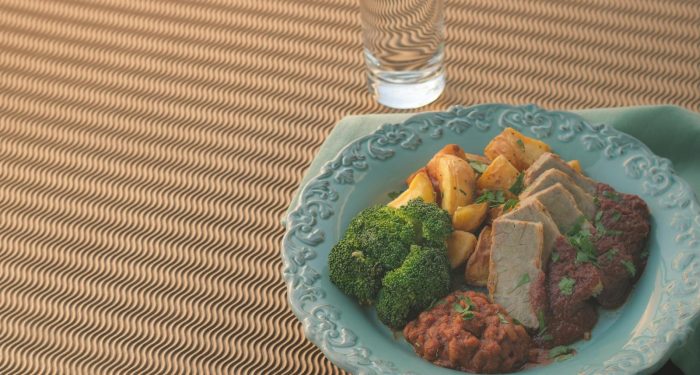
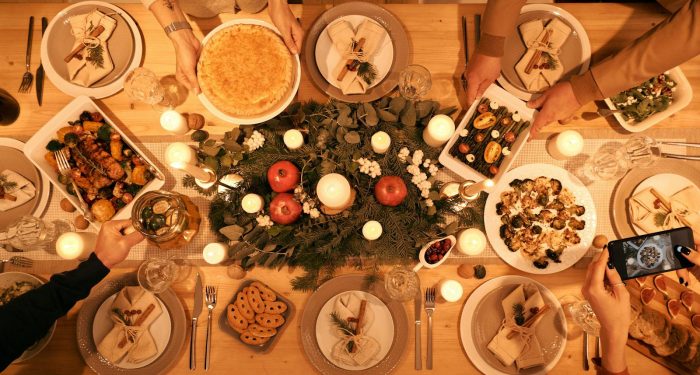
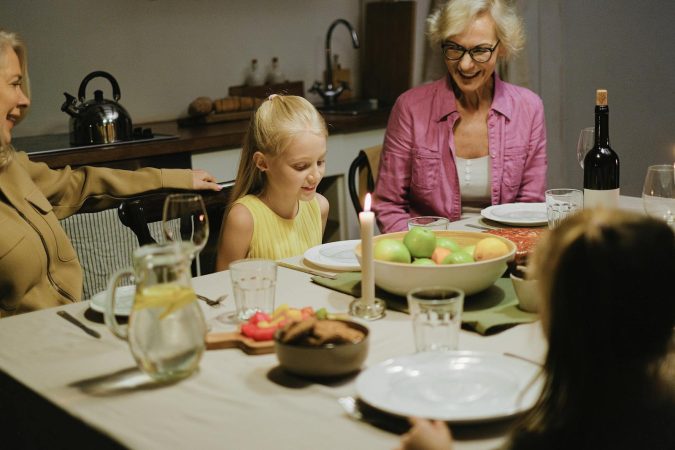
Anyone who has navigated a holiday meal as the only plant-based person at a long table of relatives already knows what this feels like in miniature. You watch someone give an answer about why they stopped eating meat so smooth and well-rehearsed it could be a press release. Oh, you know, environmental reasons. Felt better on my body. The conversation moves on. What just happened wasn't a complete answer. It was a calculation that finished before anyone noticed she was doing math. The real reason involves a childhood kitchen, a particular fight, a relationship to food she has spent years quietly rebuilding. None of that was getting said at this table.
The math people learn early
If you grew up in a house where your version of events was contested, ridiculed, or quietly turned against you later, you learned something important. You learned that an experience and the telling of it are two different transactions. The first one happened to you. The second one is something you hand to another person, and what they do with it is no longer in your control.
Some people figured this out at six, at the dinner table, after refusing a food and getting a lecture that lasted longer than the meal. Some figured it out at sixteen, after watching a sibling try to talk about something real and get flattened for it. Either way, the lesson stuck. Speaking up wasn't free. There was a price, and it was usually paid by you, in some currency you hadn't agreed to spend.
So they got quiet. Not sad-quiet. Strategic-quiet.
Why disclosure isn't always healing
The dominant cultural script says talking about hard things is good for you. Therapy, journaling, sharing in groups. And yes, in the right container, with the right witness, that can be true. Attachment-based therapy builds on this idea: processing childhood experiences with a trained, attuned listener can help someone form more secure relationships as an adult, including a more secure relationship with food.
But notice the conditions. Trained. Attuned. Container. Disclosure outcomes depend heavily on who you're disclosing to and why. It is not a general endorsement of telling everyone everything, especially not the coworker who just asked, with a slight edge, why you're not eating the steak. What happens outside that container is different. When someone shares a difficult childhood memory with a friend who freezes, or a partner who makes it about themselves, or a parent who insists it didn't happen that way, the experience can be re-injuring rather than relieving. The story gets met with the wrong response. The person walks away holding the original weight plus a new one: the weight of having tried. People who have been through that a few times stop trying. Not because they're broken. Because they're tracking results.
The cost of explaining at the table
There's a particular exhaustion that comes from explaining a complicated relationship with food to someone who grew up in a simple one. You start a sentence about why you eat the way you do and immediately have to back up to provide context. You mention something casually and watch the person's face do a thing. You can see them recalibrating who you are based on the new information, and you can also see that they don't quite have the framework for it, so the recalibration is going to be a little off.
And now you have a choice. Correct the misimpression, which means more explaining, more performance of your own past for someone else's understanding. Or let the misimpression stand and live with the small wrongness of being slightly mis-seen.
Most people, after enough rounds of this, choose a third option. Don't bring it up. Order the salad. Smile.
It's not secrecy. It's energy management.
What gets missed about the quiet ones
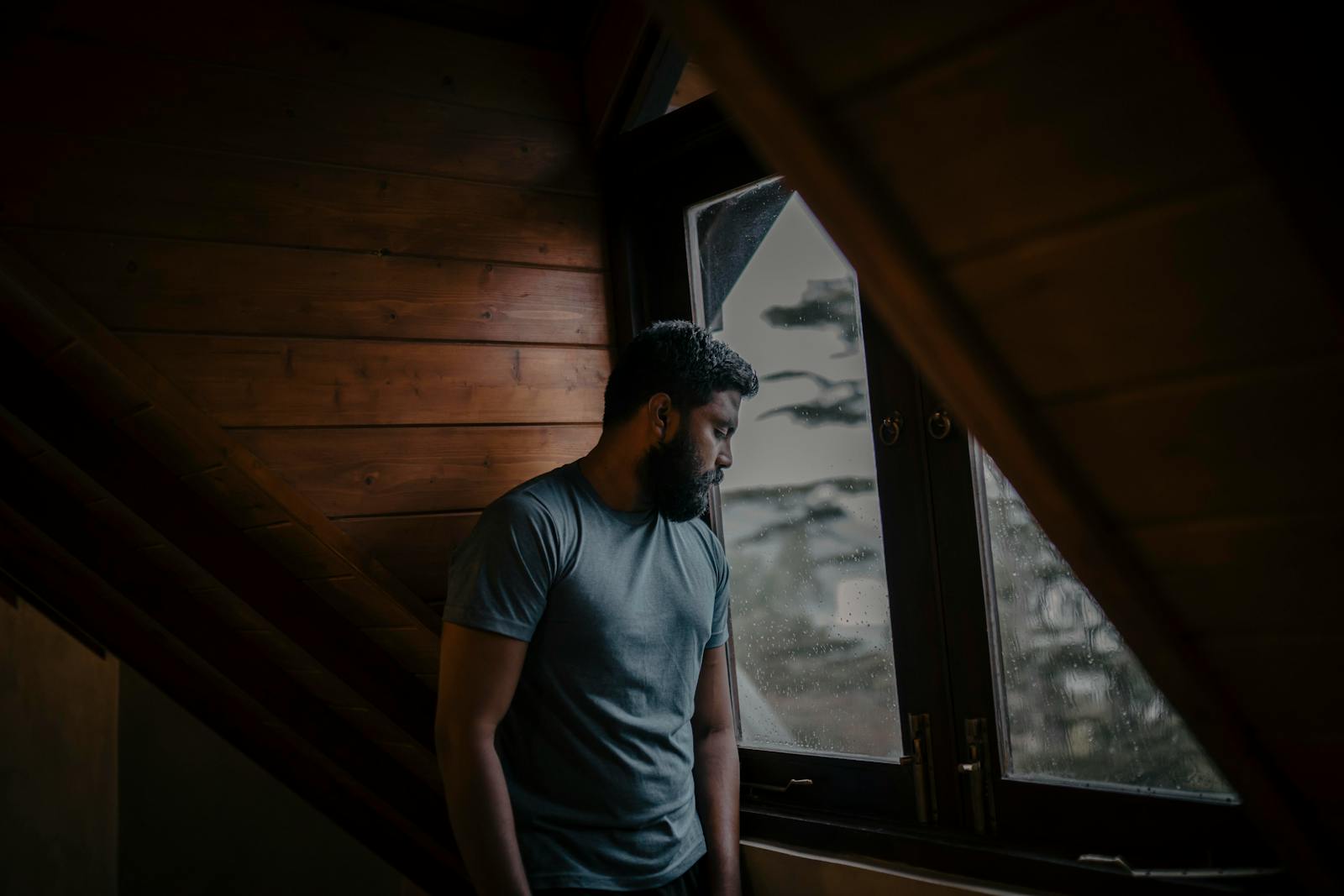
There's an assumption that people who don't share much, including the plant-based eater who never explains her choices, are emotionally underdeveloped, or stunted, or stuck. The opposite is often true. They've usually thought about their childhood, and the food in it, more than the people who talk about theirs constantly. They've sifted through it in private for years, sometimes decades. They have language for it. They just don't deploy that language at a barbecue, because a barbecue is not where that language was meant to go. Some people who went through hard things developed a finer instrument for telling when a situation is actually safe and when it isn't. That instrument doesn't shut off at dinner parties. It's running quietly all the time, and it's usually the reason a quiet eater can sense, before the second course, exactly which person at the table is going to make their plate a topic. So when someone with that history sits across from you and decides not to talk about why they eat what they eat, it isn't because they can't. It's because their threat-discrimination system has already scanned the room and concluded that this is not the place.
The attachment piece
Childhood patterns shape what we do with the truth as adults, and they shape what we do with food, too. Children who grew up with caregivers who were unpredictable, frightening, or simply absent often develop attachment patterns that make trust formation a slower, more careful process. Not impossible. Slower. More careful. The kitchen, for many of them, was where the unpredictability lived.
For these adults, sharing a piece of their history isn't a casual exchange. It's a small test of the relationship. Will this person hold it well? Will they bring it up later in a way that hurts? Will they pity me, which is its own kind of distance? The test gets run quietly, often without the other person knowing it's happening, and the answer determines whether anything else gets shared, including the real reason there's no dairy in the fridge.
People who run a lot of these tests, and watch a lot of them fail, eventually stop running them. They've concluded that most people, even good people, are not equipped to receive certain kinds of information without doing something with it that costs the speaker.
Carrying it alone is sometimes the cheaper option
This is the part that gets uncomfortable, because it cuts against the wellness narrative. Sometimes carrying something alone is the lower-cost option. Not the healthiest option in some absolute sense. The lower-cost option given the available alternatives.
If your two choices are: hold this privately, or hand it to someone who will mishandle it and then I have to recover from both the original event and their reaction, then private becomes the rational pick. The math isn't denial. It's accurate accounting. The same logic applies to food choices rooted in something deeper than nutrition. Sometimes "I just feel better this way" is the whole sentence you're willing to spend.
Of course, there's a cost to that too. Unprocessed experiences can keep affecting mental health long after the original event. So it's not that staying quiet is free. It's that for some people, the available listeners cost more than the silence does.
The healthy version of this isn't opening up to everyone or staying closed forever. It's finding the small number of people, or the one trained professional, who can actually hold the information without making the speaker pay for delivery.
Why people closest to them often know least
One of the strange things about quiet people is that the friend they've known for fifteen years sometimes knows less about their childhood, and why they cook the way they do, than the therapist they met four months ago. This looks like a contradiction. It isn't.
The therapist is in a contained role with clear boundaries and professional training. The friend is a friend, which means the relationship is woven through everyday life, and any information shared becomes part of how that friend now sees you across every future dinner, every introduction, every casual story. Once told, it can't be untold. It restructures the relationship in ways that are hard to predict.
People who have already lost relationships to information they shared in good faith are very careful with the next one.
I wrote recently about how the child who learned early to need less often becomes the adult who carries the most quietly. The strategy that protected them as a kid becomes a kind of structural feature of the adult, including in how they decide what to share, and what to put on the plate.

What helps, when help is wanted
If someone in your life doesn't talk much about their childhood, or about why they eat what they eat, the best thing you can do is probably not ask better questions. It's to be the kind of person whose response to small disclosures is steady. Don't flinch. Don't launch into your own story. Don't try to fix anything. Don't make their food choices a recurring joke. Don't bring it up later as evidence of something.
If you pass enough small tests, the larger ones might eventually come. Or they might not, and that has to be okay too. Some people have built a life, and a way of feeding themselves, around carrying things privately, and they aren't looking to renegotiate the architecture.
For the person doing the carrying, what supports long-term resilience is fairly consistent. Movement helps. Sleep helps. Steady, nourishing meals help. Regular physical activity supports stress regulation in ways that don't require anyone else to know what you're regulating. Trained therapists help, when the fit is right. A small number of people who have demonstrated they can be trusted with the truth helps more than a large number who haven't.
The reframe
Here's what I actually think. Therapeutic culture has spent decades treating silence as a deficit, a thing to be coaxed out of people for their own good, and it has gotten the diagnosis backwards more often than it admits. Plenty of quiet people aren't repressed. They're discerning. They've already done the internal work, often without an audience, and they've arrived at a sustainable arrangement with their own past that doesn't require a full origin story attached to every meal.
The pressure to share — at the table, in the group chat, on the timeline, with the in-laws who keep asking why you don't eat what they eat — is not neutral. It's a tax levied on people who have already paid plenty. Their silence isn't a problem waiting to be solved. It's a strategy that has been refined over years, tested against a lot of different listeners, and kept because it works.
Respecting that strategy is the work. Trying to undo it, however gently, is just the same old demand wearing a softer face.