Weak ties with familiar strangers offer something real that our digital lives have erased—a form of belonging that doesn't demand intimacy but delivers genuine human connection.
The man at the corner bodega has been ringing up her oat milk and bananas every Thursday for years. She knows his daughter just started college in Sacramento. He knows she runs early in the mornings because she sometimes comes in still wearing her watch, breathing heavy, smelling like cold air. They've never exchanged last names. When he wasn't there one week — flu, his wife told her — she felt something closer to grief than the situation seemed to warrant, and on the walk home she tried to figure out why.
Most articles about modern loneliness will tell you the answer is loneliness. That she was substituting a transactional relationship for the deep friendship she lacks. That this is a symptom of a broken social fabric, a sad little stand-in for the real thing.
I think most articles are wrong about this.
The relationships we don't have a name for
These are sometimes called weak ties — the barista, the dog park regular, the woman at the dry cleaner who asks about your mother. They're the people you'd nod to in an airport but couldn't call in a crisis. For a long time, the research treated them mostly as a category of professional usefulness — your weak ties get you jobs, introduce you to spouses, expose you to new ideas.
What's been undersold is what they do for your nervous system.
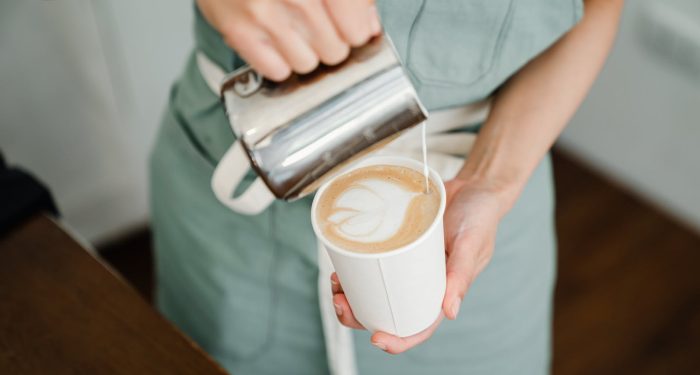
There's a specific kind of adult who notices when the regular barista takes a Tuesday off. Who feels destabilized when the neighborhood deli changes hands. Who walks past a building three years after a friend has moved out and feels something contract in the chest. These people aren't lonely in the clinical sense. Many of them have rich inner lives, a few close friends, full days. What they have is a different kind of need — one our culture barely acknowledges exists.
Belonging without performance
Different stressors require different kinds of support. The friend who can hold your hand through a divorce is not always the same person who can give you good career advice. Optimal matching theory, as it's called, argues that we don't have one social need — we have many, and most of them are invisible until they go unmet.
One of the needs we don't talk about is the need to be recognized without being known. To be a familiar face. To exist in a place where someone notices when you're not there, but doesn't require an explanation when you come back.
That's not loneliness compensation. That's a category of belonging that close friendship can't actually provide.
When it's there it often goes unnoticed — like a small gift you don't realize you've been receiving until it's withdrawn. The bodega owner. The mail carrier. The guy who always has the same parking spot on your street. They're not the headline of your life. They're the wallpaper. And the wallpaper does something for you that the headlines can't.
Why introverts often feel this most acutely
I'll say something here that the extrovert-default culture doesn't make easy room for: weak ties may be more emotionally significant for introverts than for almost anyone else.
If your social battery is finite — and for some of us it genuinely is — you can't sustain twenty close friendships. You probably can't sustain ten. You have a few people you go deep with, and the rest of your social nourishment has to come from somewhere else.
It comes from the ambient ones. The people who require nothing of you except the small civic act of being a recognizable human in a shared space.
I've come to think this is also why some people who think a lot, who process slowly, who find small talk depleting, can still feel deeply embedded in a city. They're not getting their belonging from group chats and dinner parties. They're getting it from the cumulative weight of being seen, in passing, by dozens of people across years. As we've explored before, what reflective people often want isn't more relationships — it's the same ones, slightly less defended, occasionally.
The cashier who calls you "honey" provides a version of that. Without the negotiation. Without the schedule.
What we lost when we stopped having third places
The concept of "third places" — not home, not work, but the bar, the church basement, the bowling alley, the stoop — describes places where you ran into the same people without making plans. The architecture of weak ties.
Most of those places are gone now, or expensive, or have been replaced with things that look like community but actually require performance. The wine bar where you have to dress for the room. The coworking space where everyone's networking. The coffee shop with no chairs because they want you to leave.
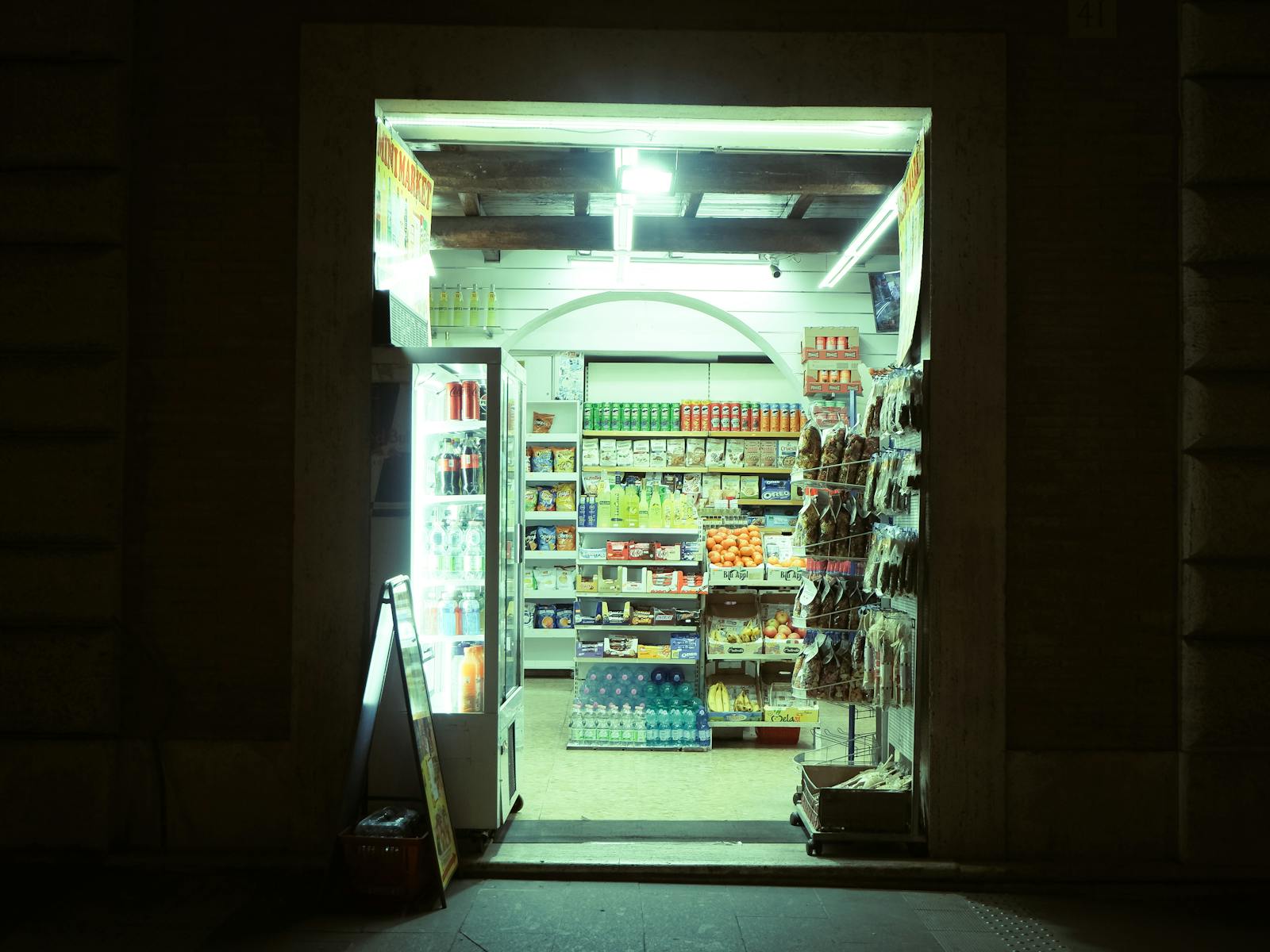
What's left is small and stubborn. The check-in at the front desk of your gym. The woman walking her terrier past your window every morning at 7:14. The pharmacy tech who knows you take the generic. These are the last unselfconscious public relationships most of us have, and they're load-bearing in a way we don't acknowledge until they collapse.
When the deli closes. When the neighbor moves. When the cashier finally retires and the new one doesn't know your name yet, and won't, because you're tired and you've done this before.
The data nobody applies to adults
It's worth noticing where the cultural anxiety about social health is currently pointed. Most of the major research initiatives — including the multi-disciplinary work on screens and the developing mind — focus on children and adolescents. Recent surveys on teen mental health show that teens are increasingly skeptical of social media's impact on their wellbeing. Parents are even more worried than the teens.
This is appropriate concern. It's also, I'd argue, a kind of displacement.
The thing happening to teenagers — the replacement of textured, low-stakes, in-person connection with high-stakes performance environments — happened to adults first. We just didn't have a vocabulary for what we lost. We don't run studies on whether the disappearance of the local hardware store damages a 38-year-old's mental health. We just notice, privately, that something has gone slightly grey.
The community we don't market
The wellness industry doesn't sell weak ties. It can't. There's no subscription, no app, no retreat. You can't biohack your way into being recognized at the dry cleaner. It happens through the slow, unsexy mechanism of repetition — going to the same place at roughly the same time for long enough that someone notices a pattern.
This is, I think, why the cultural conversation about loneliness keeps getting funneled into products. The UN frames mental health as a universal human right, and the framing is correct, but the implementation tends toward services — therapy, hotlines, apps — rather than the structural conditions that produce ambient belonging in the first place. Mixed-use neighborhoods. Walkable streets. Small businesses that survive long enough to know their customers.
You cannot prescribe a bodega owner.
Why this isn't the same as loneliness
Here's the distinction worth holding onto. Loneliness is the subjective distress of unmet need for connection. The deep attachment to your barista is not unmet need — it's a need being met, just by a relationship our culture doesn't grant emotional legitimacy.
People sometimes feel embarrassed about this. About crying when their hairdresser of fifteen years moves to Phoenix. About the small grief of seeing a store closing sign on the place where the guy used to know you took two sugars. The embarrassment comes from a cultural script that says only certain relationships are allowed to matter — partner, family, close friend, maybe therapist — and anything else is overinvestment, parasocial confusion, sad.
It's not sad. It's accurate.
The relationships we have with the recurring strangers in our lives are real relationships. They have history. They have continuity. They have, at their best, a particular kind of care that close friendship doesn't replicate — the care of someone who chose to know you a little, with no obligation to know you a lot.
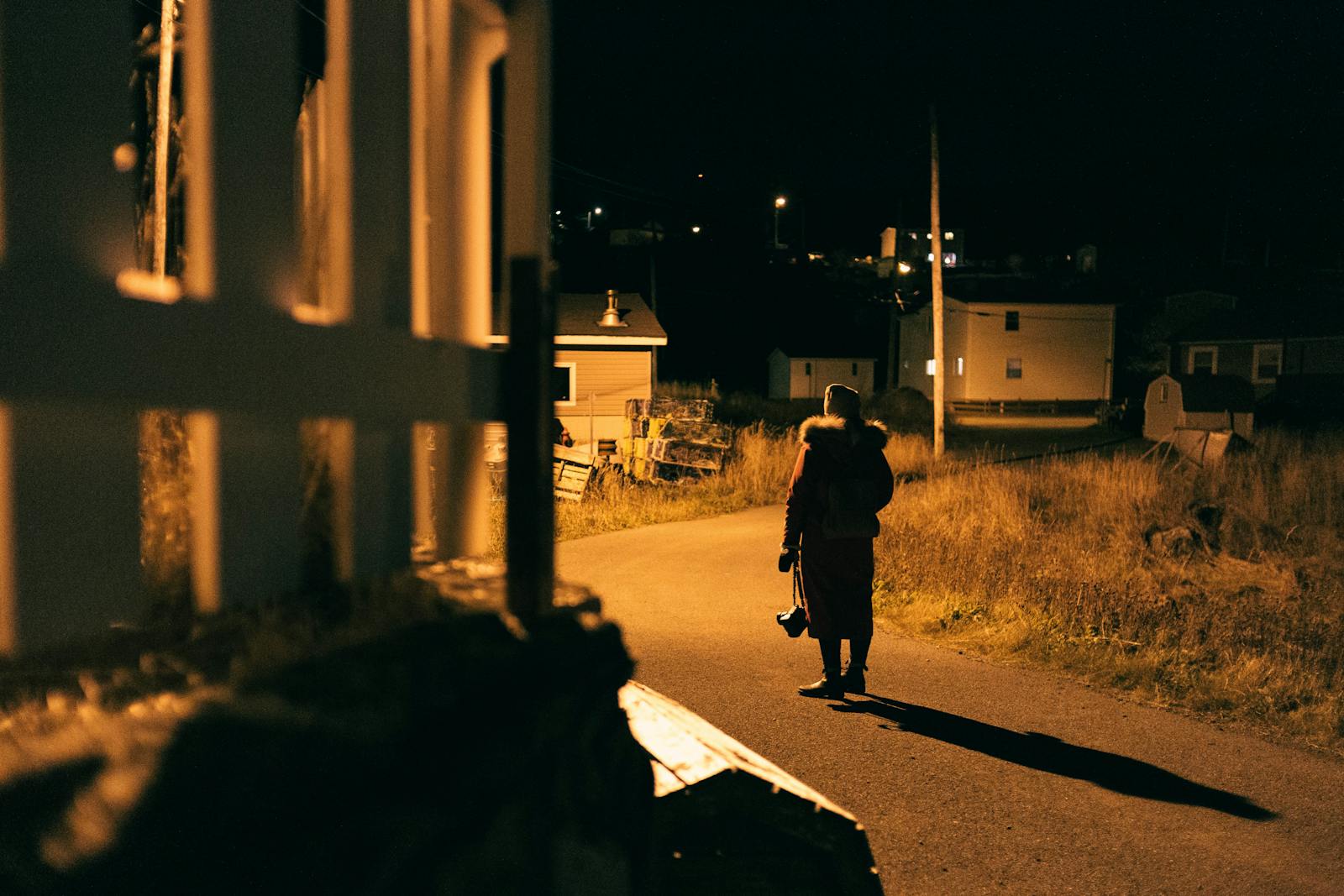
What the attached adult is actually doing
The specific kind of adult who gets deeply attached to their cashier is, in my reading, doing something quietly sophisticated. They're recognizing that a full social life requires more than intimacy. It requires texture. It requires the slow accumulation of being known in fragments by many people, alongside being known fully by a few.
They're often the same adults who, as we've written about before, have stopped tolerating bad-fit closeness. They've cut down on obligatory friendships that drained them. And they've discovered, in the quiet that opened up, that they were never starved for closeness — they were starved for casual recognition.
This is the part the loneliness epidemic discourse keeps missing. Some people who look isolated are not isolated. They're embedded in a web of weak ties so consistent and so undramatic that it doesn't register as community to anyone but them.
Honoring what's actually there
I think the kindest thing we can do for ourselves, and for the people in our lives who seem strangely moved by their pharmacist's retirement, is stop treating these attachments as substitutions. They're not the consolation prize for failing to have real community. In many cases, they are the community. The fact that they don't look like the kind of community Instagram rewards is a problem with Instagram, not with the relationship.
The woman at the bodega will probably never come to her funeral. He won't be at her wedding. He doesn't know her last name and at this point it would be weird to ask.
But on Thursday morning he'll be there, and so will she, and he'll ask about her usual order, and she'll nod, and something in both of their nervous systems will settle in a way that nothing else in their week quite manages to do.
Call that whatever you want. I'd call it a life with people in it.