Mars and ofi have announced a partnership to cut emissions across cocoa production through regenerative farming practices. Food Dive reports the collaboration will focus on farm-level interventions tied to ofi's grower network.
Mars and ofi (olam food ingredients) have announced a partnership aimed at cutting the carbon footprint of cocoa production, a supply chain long associated with deforestation, emissions, and labor concerns. The collaboration, as reported by Food Dive, focuses on regenerative agriculture practices among cocoa farmers in ofi's supply network.
The conventional wisdom says big chocolate's sustainability pledges are mostly marketing. That skepticism is earned. Mars has appeared on watchdog lists flagging chocolate companies over environmental and human rights concerns, including a 2023 ethics report from The Guardian that named the company alongside Cadbury and others. So a new emissions partnership invites the obvious question: is this different?
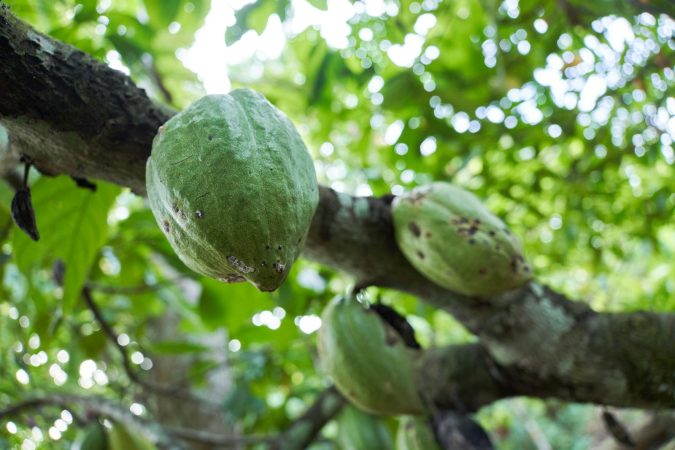
According to Food Dive, the two companies will work together on farm-level interventions designed to reduce emissions across cocoa sourcing, including shade-tree planting, soil health programs, and practices meant to keep existing forest intact rather than clear new land. The partnership builds on earlier regenerative cocoa work the two have done in Ecuador.
The carbon math on cocoa is not subtle. Deforestation is one of the biggest sources of emissions tied to agricultural commodities, and cocoa has been a major driver of forest loss in West Africa and parts of Latin America. Research published in Nature Climate Change has shown that reducing deforestation-linked emissions also delivers large biodiversity co-benefits, which is part of why cocoa-growing regions have become a focal point for climate finance.
Some of that financing is already flowing. Ghana, the world's second-largest cocoa producer, began receiving World Bank payments in 2023 for reducing forest-sector emissions, including a nearly $5 million payment for roughly 972,000 tons of verified carbon reductions. Corporate programs like the Mars–ofi partnership sit inside that broader push to put a price on keeping forests standing.
The timing also matters. European regulators are tightening the screws on commodity-linked deforestation, and chocolate is squarely in scope. VegOut has covered how the EU's deforestation regulation is forcing major food companies to rebuild their traceability systems from the ground up. A partnership like this one is as much a compliance strategy as a climate one.
That is the honest read. Big food companies do not move on sustainability out of sentiment. They move when regulation, investor pressure, and consumer scrutiny make the old way more expensive than the new one. Mars and ofi are responding to all three at once.
The question worth watching is whether farmer incomes rise alongside the emissions reductions. The numbers at the farm gate have been stubbornly grim: the average cocoa farmer in West Africa earns roughly $1 to $2 per day, well below the World Bank's poverty line, and studies have consistently shown that farmers receive only about 6 percent of the final retail price of a chocolate bar. Cocoa sustainability programs have a long history of branding without much bite where it counts. Ghana's World Bank carbon payment program, for example, directs funds through government structures rather than paying farmers individually, raising familiar questions about how much trickles down. Carbon payments could change the equation at the farm level — but only if partnerships like the Mars–ofi collaboration build in direct payment mechanisms and transparent reporting on where the money lands. Without those specifics, the risk is that emissions credits become another value stream captured upstream.
For the chocolate on store shelves, the near-term difference may be invisible. But supply-chain rewiring of this kind is how the climate footprint of everyday foods actually shifts. Slowly, contract by contract, hectare by hectare.
So, is this different from the sustainability pledges that earned all that skepticism? The regulatory pressure from the EU is new. The carbon finance infrastructure is more developed than it was five years ago. And the partnership's farm-level focus — shade trees, soil health, forest preservation — at least targets the right interventions. But until Mars and ofi publish verifiable farmer income data alongside their emissions reductions, the gap between climate strategy and farmer reality remains exactly where it has always been. Imperfect progress beats perfect pledges. This one is worth tracking — and worth holding to account.