The Sunday evening that once demanded lesson plans and pressed clothes now arrives empty-handed, and I've discovered that the loneliness of being unnecessary hits different when you're watching the same golden hour that used to signal your deadlines now simply mark time.
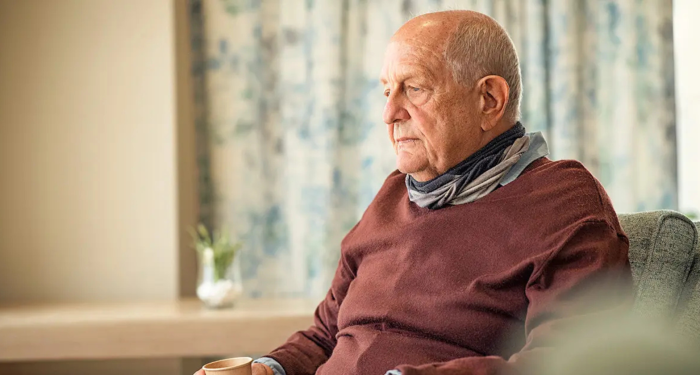
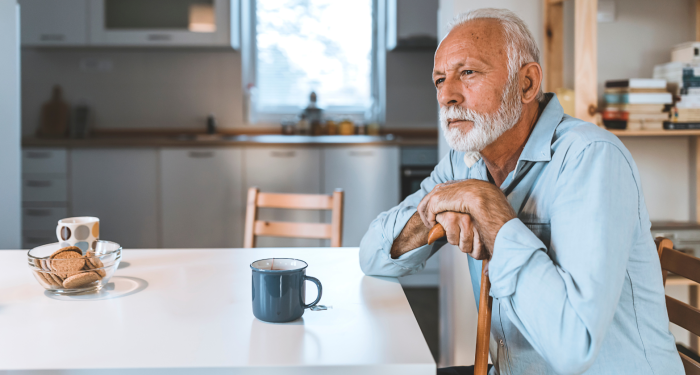
The tea has gone cold again. Not because I forgot it — I never forget tea anymore, there's nothing to forget it for — but because I've been sitting here in the sunroom watching the Millers' garage door open and close three times, and each time someone runs out for something they forgot, and each time I know exactly what that errand feels like even though I haven't run it in eight years.
It's 7 PM on a Sunday. The light is doing that thing it does in October, going gold and then gray in the space of a held breath. Across the street, Mr. Miller's silhouette moves from the kitchen to what I know is his home office, because he has school board meetings on Monday nights and he's the kind of man who reads the agenda twice. Their teenage daughter has calculus first period. I know this the way you know the lyrics to a song you stopped listening to years ago.
This is the loneliest hour of my week, and the strange thing is that it isn't sadness. It's the specific awareness of standing on the outside of a rhythm everyone else seems to be inside of. The world is quietly resetting itself for Monday, and my reset looks like exactly what last week's looked like.
The architecture of being needed
There's a specific architecture to being needed that you don't recognize until it's demolished. For 32 years, my Sunday evenings were load-bearing walls in other people's weeks. My lesson plans shaped 150 teenagers' Mondays. My feedback on essays determined college application narratives. My presence in room 237 at 7:45 AM sharp was a fixed point around which counselors scheduled, parents planned conferences, and students knew where to find me when everything else felt chaotic.
I think about this when my daughter calls during her Sunday evening routine, her voice carrying that particular exhaustion of a working mother preparing for another week's juggle. She runs through her list: the presentation on Wednesday, the parent-teacher conference on Thursday, her youngest's science fair project that somehow became her project. I offer suggestions she's already thought of, encouragement she needs but doesn't need, and we both pretend I'm not just happy to be included in someone's Sunday evening preparation.
What surprised me most about retirement wasn't the freedom but the weightlessness. Imagine spending decades as an anchor, holding steady against the current of teenage anxiety, parental demands, administrative bureaucracy. Then imagine someone cutting the chain. You don't sink or swim. You just float, suddenly aware that the boat you thought needed you has already found another anchor, probably younger, definitely less tired, certainly more versed in whatever new technology they're using to submit grades these days.
The mathematics of Sunday loneliness
If loneliness could be graphed, Sunday evening would be the peak, but not for the reasons you might expect. It's not about being alone. Last Thursday I spent the entire day alone and felt completely content, painting watercolors badly and making soup from garden vegetables that grew despite my arthritis limiting how often I can tend them. Being alone on Thursday feels like choice. Being alone on Sunday evening feels like exile from a country I once held citizenship in. The mathematics are simple but cruel: Sunday evening preparation multiplied by zero Monday obligations equals a specific kind of isolation. It's watching your neighbors load their cars with work bags and gym clothes and school backpacks, knowing exactly what each item means because you once performed the same ritual. It's the grocery store at 5 PM, full of people grabbing last-minute lunch supplies, while your cart holds the same seven items you buy every week because cooking for one means repetition becomes comfort. It's the way the light shifts at 6:30, that particular gold turning gray, and how the gray used to mean hurry and now means nothing. It's the smell of someone else's dinner drifting from a window. It's the dog two houses down who barks at the recycling bins being rolled out, every Sunday, the same bark, the same bins, a small percussive reminder that everyone has somewhere to be tomorrow.
Do you know what nobody tells you about aging? It's not that your body betrays you, though it does. It's not that people you love die, though they do. It's that the world reorganizes itself around an energy you no longer possess or need to possess.
Sunday evening is when this reorganization is most visible, most felt, like watching a tide go out and realizing you're not a wave anymore.
Outside the choreography
My son Daniel calls from across the country right as the streetlights flicker on, that automatic response to dusk that happens whether anyone notices or not. His voice carries the weight of his own Sunday evening preparations, though he tries to hide it. We discuss his daughter's college applications, and I remember when Sunday evenings meant helping him with his own essays, the dining room table covered in drafts, my teacher's eye catching comma splices even in my own child's work.
"How was your week, Mom?" he asks, and I tell him about the literacy center, about the woman who finally read a complete sentence on her own and cried. I don't tell him that my weeks don't really exist anymore, that Monday and Friday are distinguished only by which volunteer commitment I have. I don't tell him that I grocery shop on Tuesdays now specifically to avoid the Sunday evening crowds, not because I'm busy but because watching families stock up for the week ahead makes my chest tight with a recognition I can't quite name.
The world's choreography continues without me. The Miller family across the street performs their Sunday evening dance: lights moving from room to room, the blue glow of screens, the garage door opening one more time because someone forgot something in the car. These facts sit in my mind like artifacts from a civilization I once belonged to but can now only observe through glass.
The strange freedom of exile
Here's what's unexpected about being outside the Sunday evening machine: you see it clearly for the first time. All those years inside it, I thought the exhaustion and preparation were just life, as natural and unavoidable as breathing. Now, from my position on the margin, I watch the collective anxiety of Sunday evening like an anthropologist studying a ritual I once performed but no longer understand the necessity of.
There's freedom in this exile, though it's the kind of freedom nobody wants. I can stay up until 2 AM reading because Monday morning means nothing. I can eat dinner at 4 PM or 9 PM or not at all, just tea and toast while watching the news that will stress everyone else out before their Monday commutes. I can write these essays that nobody's waiting for, that have no deadline except my own mortality, which feels both distant and immediate in the way that only 70-year-olds understand.
But freedom without purpose is just emptiness with better PR. Sunday evenings remind me that I've been released from a prison I didn't know I loved until they took away my cell. Those lesson plans I cursed? They were architecture. Those parent emails I dreaded? They were connection. That Monday morning performance of enthusiasm for exhausted teenagers? It was proof that I mattered in the machinery of other people's becoming.
Final thoughts
So here's what I want to ask you, you who are still inside the rhythm, you who are dreading tomorrow's meeting and resenting the lunches you have to pack and cursing the alarm you've already set: pay attention to the weight of it. That weight is not the enemy you think it is. That weight is what tells you you're inside something. You will not understand this until it's gone, and by then it will be too late to thank it.
I'm not asking for pity. I'm asking you to look at your Sunday evening — the one you're probably reading this from, the one full of small irritations and load-bearing obligations — and notice that it's holding you up. Notice who needs you tomorrow. Notice the architecture before someone takes it down. Because one day the alarm won't matter and the lunches won't need packing and the meeting will go on without you, and you'll find yourself in a sunroom at 7 PM with cold tea and a clear view of someone else's lit windows, trying to remember what it felt like to be necessary.
That's the question I'd leave you with. Not whether you're lonely. Whether you're paying attention to the rhythm while you're still in it. Because I wasn't, and now I'd give back every minute of this strange freedom for one more Sunday evening of grading papers I didn't want to grade, for one more load-bearing wall, for one more night of being needed badly by somebody who didn't know yet how lucky we both were.