Genuine joy in retirement often arrives quietly — not through big adventures, but in the ordinary moments when life finally stops demanding performance. It’s the peace of making coffee, sitting still, and realizing your worth no longer has to be proven by how useful you are.
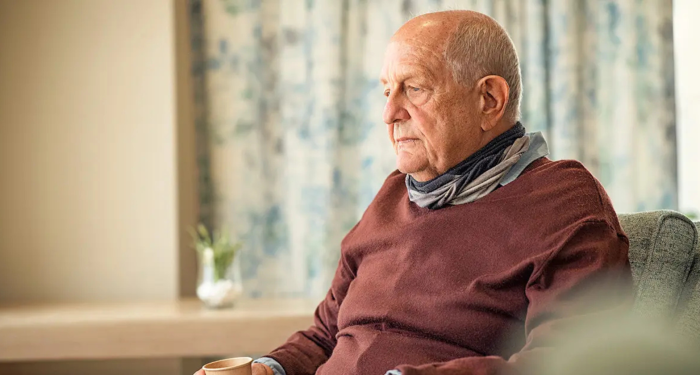
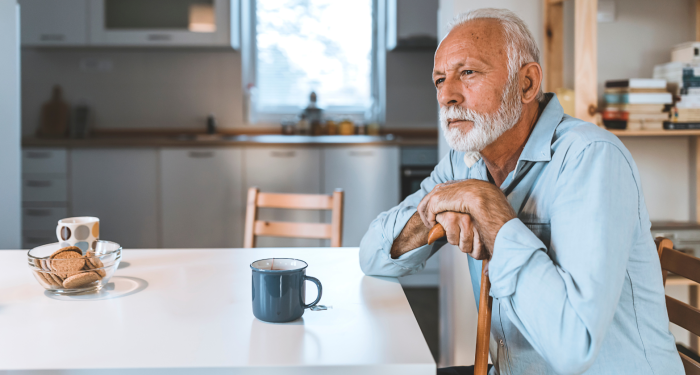
It happened on a Tuesday. I had been retired for about six months, and I was standing at the kitchen window with a mug of tea, watching a robin work through my cottage garden like she had somewhere to be. And then it occurred to me, quietly, without fanfare: nobody was waiting on me. Not a student, not a parent, not a colleague, not a grandchild needing a ride. The morning was entirely, improbably mine. And instead of feeling lost, I felt something I hadn't felt in decades. I felt free.
That's the thing nobody warns you about. We spend so much energy preparing for retirement in the financial sense, the logistical sense, the "what-will-I-do-with-myself" sense. We plan trips to Italy and schedule the grandchildren's visits and sign up for watercolor classes. And those things are lovely, truly. But the deep, cellular joy of retirement? It doesn't live in any of that. It lives in the ordinary Tuesday morning when you pour yourself a second cup of coffee for no reason other than you want one, and the silence around you feels like a gift rather than a threat.
The Identity We Never Knew We Were Wearing
For most of our working lives, we have no idea how much of our identity is propped up by our usefulness to other people. I taught high school English for 32 years. I was someone's teacher every single morning. Then I was someone's mother, someone's volunteer coordinator, someone's committee member. My sense of self was knitted tightly to my sense of function. When retirement takes that title away, it's not just a shift in your schedule, it's a shift in who you believe you are. Researchers describe retirement as "a psychosocial process of identity transition and search for meaning," where the challenge lies in creating a new sense of self once the old one no longer fits.
This is why so many of us rush to fill the calendar the moment we stop working. We book the Mediterranean cruise. We say yes to every committee at church. We become the on-call grandparent for every school pickup. It's not that we don't want those things. It's that we're terrified of what sits in the silence when we stop being needed. Research confirms that pre-retirees may have unrealistic expectations about the level of happiness and excitement they will experience. We imagine retirement as an extended weekend. We get something much stranger and, eventually, much better.
The Science of Doing Nothing on Purpose
Here is something that took me the better part of a year to understand: the discomfort of unstructured time is not a problem to be solved. It is the doorway to something real.
Self-determination theory finds that autonomy is essential to wellbeing, and research consistently demonstrates that people's wellbeing depends fundamentally on their experiences of autonomy and is undermined when people feel they are being controlled. For forty years, someone or something else held the clock. The bell schedule. The school calendar. The children's needs. The mortgage. In retirement, for perhaps the first time in your adult life, you are the one who decides. Not just what to do, but how to be. That shift in power is disorienting before it becomes liberating.
A nationally representative study of American adults showed a sizable increase in sense of purpose in life as an outcome of retirement, with improvements driven by individuals who retired from dissatisfying work. But even for those of us who loved our work, who wept on our last day and meant it, retirement can open a door to a version of purpose that is quieter, more personal, less dependent on external validation. A purpose that belongs only to you.
I started writing personal essays at 66. Nothing dramatic prompted it. I just had mornings now. Long, slow mornings with a journal and no particular agenda. And words I'd been carrying around for decades, things I'd seen and survived and never had time to examine, started coming out. I didn't write for an audience. I wrote because I finally could. That, I think, is what genuine retirement joy feels like. Not excitement. Not accomplishment. Just the quiet click of doing something for no reason but your own.
What We Were Actually Chasing All Along
The research on what actually makes retirees happy is both surprising and quietly obvious once you see it. Research has found that leisure activities may not be the real sources of retirement satisfaction. As one professor of wealth management who has studied retirement happiness explains, during our working years, we often view retirement as a long weekend, but much of the reason those activities were so appealing on weekends is because they provided a chance to relax from the stress of the challenges of the workweek. Strip away the workweek, and the activities themselves turn out to be just activities.
What actually feeds the soul in retirement is harder to Instagram. It's the prioritization of emotion-related goals, such as feeling good in the moment and deriving emotional meaning from life, because these are goals that can be achieved in the present moment. It's the walk you take not to hit 10,000 steps but because the light on the garden looks extraordinary right now. It's the book you read not because it's on a list but because you've been meaning to read it for twenty years and you finally can. It's the phone call you make to your sister not because it's scheduled but because you thought of her and nobody is waiting on you to do anything else.
A Harvard study found that people spend nearly 47% of their waking hours thinking about something other than what they are doing, and this tendency to mind-wander is directly linked to unhappiness. Retirement, at its best, is permission to stop wandering. To be where you are. To drink the tea and watch the robin and let that be the whole of the moment.
Growing Into the Quiet
I won't pretend the transition is painless. A MassMutual survey found that a third of retired adults aren't happier since retiring, and among those respondents, many report feeling lonely. The loss of daily structure, of colleagues, of the particular pleasure of being needed, is real grief. I felt it. I missed my students more than I expected to. I missed being called Mrs. Oakes in the hallway. I missed the particular buzz of a classroom when something clicked.
But grief and joy, I have learned, are not opposites. They coexist. I lost my husband to Parkinson's after seven years of caregiving. I lost my oldest sister far too young. What those losses taught me is that the heart is not a fixed container. You don't make room for new joy by evicting the old sorrow. You simply grow larger. And retirement asks you to grow larger, too. To become someone who doesn't need a title or a schedule or someone else's approval to feel worthy of a Tuesday morning.
Mindfulness encourages a positive outlook by helping individuals focus on the present and appreciate life's simple pleasures, which can reduce symptoms of depression and foster a sense of contentment and gratitude, contributing to overall happiness. I'm not a mindfulness evangelist. I don't sit cross-legged and breathe intentionally. But I do sit by the window most mornings before the world asks anything of me. I do notice the garden. I do let the tea cool a little too much because I was too busy watching the light.
Maybe that is the thing nobody says plainly enough: the joy available to you in retirement is proportional to your willingness to stop performing usefulness and start experiencing your own life. The grandchildren are wonderful. The travel is memorable. The freed-up calendar is a relief. But none of that is the source. The source is something quieter, something you can only find when you stop moving long enough to notice it was always there, waiting for you to have time.
The robin finished her business in the garden that Tuesday morning and flew off somewhere important. I stayed by the window a little longer. Nobody was waiting. I did it anyway.