Real wellness doesn't announce itself. The people who actually transformed their lives are often the ones who stopped posting about it, trading performance for the quieter work of simply showing up for themselves every single day.
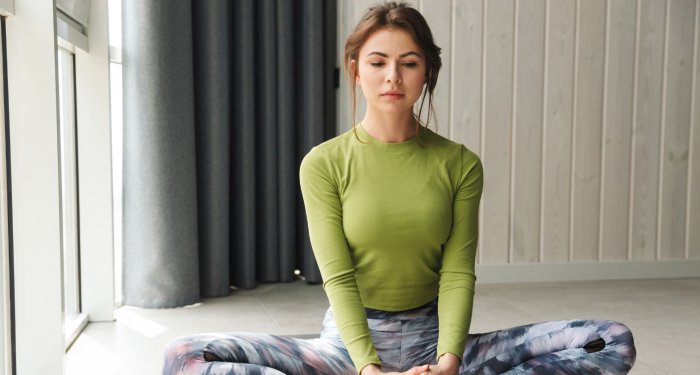
The loudest wellness people on the internet are often the least well, and the quietest ones I know are the ones who traded their ring lights for real mornings. I noticed it first in a friend I hadn't seen in two years: her feed had gone dark somewhere around the end of 2024, and when I asked what happened to her sunrise yoga posts, she shrugged and said she still did yoga, she just stopped announcing it. She looked better than she had in a decade.
That shrug stuck with me for weeks.
The conventional story about wellness is that it's a practice you build and then share, as if the sharing were part of the practice. The counter-story, which researchers have only recently caught up to, is that the sharing often undermines the practice it claims to document. Research suggests that even a short social media break can improve mental health markers, which raises an awkward question for anyone whose wellness is performed on the same platforms driving the problem.
So what does the quiet version look like? Here are eight signs someone has crossed over from performing to living, from the people I've watched make the transition and the research that helps explain it.
1. They stopped announcing their routines
The morning smoothie doesn't get photographed. The workout doesn't get a caption. At some point, the documentation started feeling like a second job, and they quit.
This isn't about shame or secrecy. It's about the difference between doing a thing and narrating a thing. Research suggests that reducing smartphone engagement by even modest amounts can help improve attention over time. The people I know who stopped posting about their mornings got their mornings back.
2. Their habits became boring
Ask them what they eat and you get something unremarkable. Lentils. Oats. The same three dinners on rotation. They aren't doing carnivore Tuesdays and raw Wednesdays and a 72-hour fast for content. They found four or five things that work and they do them on repeat.
The behavioral science here is dull in the best way. Habits compound quietly. Novelty is the enemy of consistency. The person still performing wellness needs new material every week. The person actually living it has outsourced the decision.
3. They talk about it less, but more precisely
When it does come up, usually because you asked, they'll tell you something specific and small. They sleep better on the nights they walk after dinner. Coffee after 2 p.m. ruins them. They get irritable if they skip protein at breakfast. This is the language of someone paying attention to their own body rather than assembling a brand. There's no manifesto. Just data, collected quietly over years. It's worth noting how different this sounds from the wellness pitch. The pitch is universal — do this, feel that, here's the protocol. The private version is idiosyncratic and small and useless to anyone else, which is exactly why it works. You can't sell it. You can barely describe it. It belongs to one body.
4. Their phone is less interesting to them
You notice it at dinner. The phone is face-down or in a bag, and they don't reach for it between sentences. This used to feel rude to perform; now it just happens.
Research has found that habitual smartphone checking is driven less by genuine interest than by pervasive cue-response loops. Studies have documented how these loops can produce addiction-like symptoms even in people who insist they have it under control. The person done performing wellness has usually done some version of a reset, sometimes deliberate, sometimes through exhaustion.
5. They have a friend they actually call
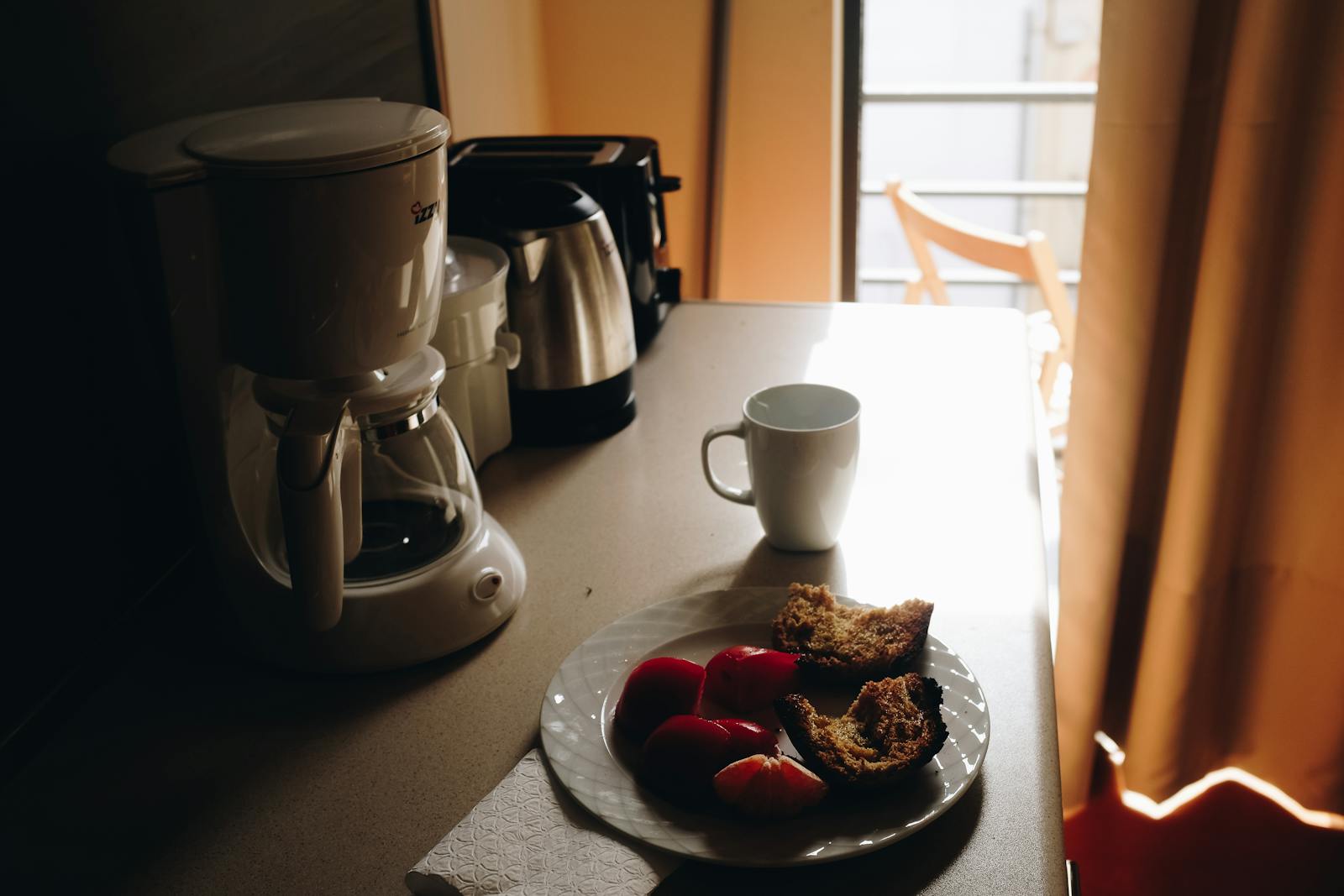
Not a close-friends list. A friend. One they speak to out loud, on the phone or in person, without filming it.
The wellness industry spent a decade turning community into content, and a lot of people lost track of the difference. The quiet ones rebuilt it. They go on walks with one person. They have a standing dinner. They do not use performative phrases about building their village or curating their community. They just have someone who picks up.
6. They stopped treating rest as a reward
Rest used to be something they earned by hitting a workout goal or closing a ring on a watch. Now it's something they take because their body asked for it, without justification and without posting about protecting their peace or practicing self-care.
This is a harder shift than it sounds, especially for people raised in households where stillness read as laziness. I wrote recently about the way childhood shapes our relationship with rest, and how many adults who pride themselves on wellness are actually performing productivity in athleisure. The quiet version requires no costume.
7. They got less precious about perfection
They eat the birthday cake. They skip the workout when they're sick. They had cheese at a dinner party and didn't spend the next day explaining it to anyone, including themselves.
The performance of wellness demands consistency because the audience is watching. The practice of wellness allows for weather, because the only audience is your own body over a thirty-year time horizon. One of the tells of someone who's crossed over is that a single "off" day no longer derails them. They have enough history with themselves to know it averages out.
8. Their face looks different
This is the one I find hardest to articulate, but it's the one I notice first. Something softens. The jaw unclenches. The eyes do less work.
There's a reason my friend looked better after she stopped posting. Research suggests that social media use may predict mental health problems. The face you wear when you're performing is not a neutral face. It takes energy to hold. When you stop, the energy goes somewhere else.
The part nobody wants to hear
Here's the uncomfortable piece: most of what gets marketed as wellness is, structurally, the opposite. The platforms that host wellness content are designed to maximize engagement, which is a polite word for dysregulation. You cannot be calm and also be an active poster on a system engineered to keep you anxious enough to scroll.
This isn't a moral argument. It's a mechanical one. The incentives of the platform and the incentives of your nervous system point in opposite directions, and one of them wins.
The people I've watched quietly step out of the wellness performance economy didn't do it because they read a book about dopamine. They did it because they got tired. The exhaustion of maintaining a documented life caught up to the supposed benefits of the life being documented.
What the research keeps finding
Policymakers have started taking this seriously. Minnesota passed a law requiring mental health warnings on social media platforms — a tacit acknowledgment that the product itself carries risk regardless of how it's used. You don't put a warning label on something unless the evidence has accumulated past a certain point.
None of this means social media is uniformly harmful or that posting a yoga photo will ruin your life. Research suggests that moderate use can support connection. The issue is that the version of wellness monetized on these platforms tends to require immoderate use, because that's how the algorithm rewards creators. The structure of the business is misaligned with the content of the message.
Walking, unglamorously
My morning practice, if you can call it that, is a long walk with no destination. Forty-five minutes on lazy days, two hours when I'm working through something. I don't track it. I don't post it. I used to, briefly, years ago, and it made the walk worse.
The walk is where most of my writing happens before I sit down to write. It's also where I notice I've been holding my shoulders wrong, or that I haven't called my mother in three weeks, or that a story I've been stuck on has a different beginning than I thought. None of this is content. It's the opposite of content. It's the raw material a person needs before they have anything worth saying.
I suspect this is true for most of the quietly well people I know. Whatever they do — the walk, the swim, the slow coffee, the phone call to the one friend — it works partly because it's unwitnessed. The privacy is the mechanism.
Why the shift is easy to miss
You'll rarely catch the moment someone crosses over. There's no announcement, because announcements are part of what they're leaving behind. They just start showing up differently. Calmer at dinner. Less reactive in group chats. More willing to say they don't know.
So here's the question worth sitting with: if you deleted the app tomorrow and nobody saw the workout, nobody liked the smoothie, nobody clapped for the cold plunge — would you still do any of it? Be honest. A lot of people won't be, because the honest answer disassembles a identity they've spent years building. If the practice only survives with an audience, it was never the practice. It was the audience.
Nobody is coming to give you permission to stop performing. The platform won't. Your followers won't. The wellness industry definitely won't — it needs you visible. You just decide one morning that the documented life costs more than it returns, and you stop. Or you don't, and you keep paying.
What’s Your Plant-Powered Archetype?
Ever wonder what your everyday habits say about your deeper purpose—and how they ripple out to impact the planet?
This 90-second quiz reveals the plant-powered role you’re here to play, and the tiny shift that makes it even more powerful.
12 fun questions. Instant results. Surprisingly accurate.