As travel loses its appeal, a quieter version of fulfillment emerges: the power of repetition, routine, and finally belonging fully to a single place.
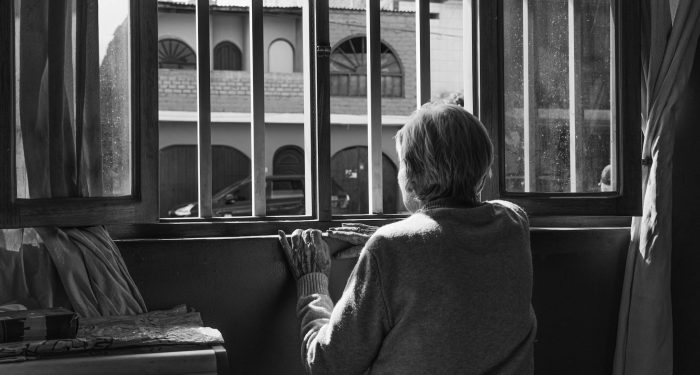
Travel has been sold to us as the cure for a small life. The bigger the trip, the bigger the self that returns. But somewhere around your late fifties, if you're paying attention, the equation quietly inverts. The thing you start craving isn't a bigger experience. It's a longer one. The same walk, repeated until the trees become characters. The same chair by the same window until the light at four in the afternoon belongs to you in a way no sunset over Santorini ever will.
This is the part of midlife nobody markets. Because nobody can sell it.
The conventional wisdom says the second half of life is when you finally take the trips you postponed. The bucket list. The big retirement adventure. And for some people, that's true and good. But there's another version, less photographed, where the appetite shifts in the opposite direction. Toward repetition. Toward the local. Toward an ordinary that has been earned by enough years of paying attention.
The market doesn't know what to do with this
Most of what we call aging-well content is built around novelty. New destinations, new hobbies, new routines, new versions of yourself. The wellness economy needs you to be slightly dissatisfied so it has something to sell you. Repetition isn't a product. A favourite chair isn't a SKU.
And yet. When you look at what makes people content, the picture gets more textured. Work on travel satisfaction and well-being shows that subjective well-being depends less on the spectacle of a trip than on the daily quality of the journey, the built environment, the small rituals of getting somewhere familiar. The big experience isn't doing the work we think it is. The repeated one often is.
This isn't an argument against travel. It's an argument against the assumption that bigger is the only direction left.
Why the appetite shifts
People in their late fifties and early sixties are, by most measures, the most overextended adults in any society. A piece in The Conversation notes that late midlife adults in Canada alone are putting in more than 100 million working hours a month, plus hundreds of millions of additional hours in formal and informal caregiving. About one in five midlife women is caring for a child. More than a third are caring for an adult. The typical caregiver has been doing 35 hours of care a week for over four years.
That's not the demographic profile of someone who needs more stimulation. That's the profile of someone whose nervous system has been on for decades.
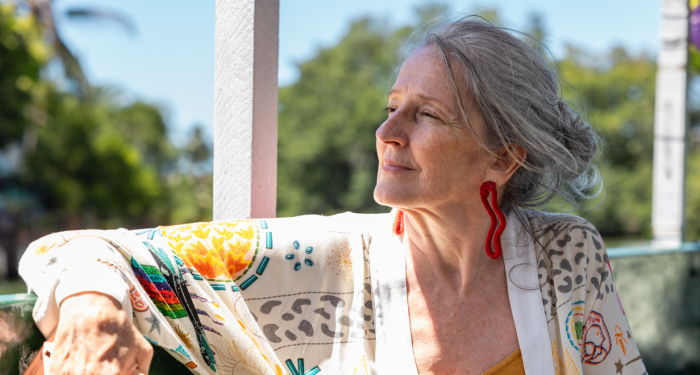
So when a 58-year-old says she doesn't want to go anywhere this year, she just wants to walk the same loop in the morning and read in the same chair after dinner, she isn't shrinking. She's recovering. The desire for repetition is the body's correction after a long stretch of being needed by everyone.
Earned ordinariness
There's a phrase I keep returning to: earned ordinariness. The state where the small parts of your day finally feel like yours, not like obligations dressed up as routines.
It takes years to get there. The same walk is boring at thirty because you haven't yet built the inner library that makes repetition rich. You don't notice the magnolia is two days behind last year's bloom. You don't recognise the dog from the corner house. You don't see that the cracked pavement near the bus stop has the same crack it had in 2019, and that this somehow comforts you.
By late midlife, the same walk is a different document each time, because you are a different reader.
The optimism nobody told you about
Here's a finding that contradicts almost everything pop culture tells us about this age. According to a Hone Health survey reported by AOL, 73% of adults aged 35 to 65 feel positive about this stage of life. Seventy-one percent believe their best years are either happening now or still ahead. Only 19% think their best years are behind them.
The same survey found something stranger. The 45-to-49 cohort reported the highest optimism, the highest sense of opportunity, the highest sense of control over their health, while also being the group most affected by negative aging language. They are living one reality and being handed a different script.
Part of what's happening with the longing for the repeated walk is that people in late midlife have started to trust their own data over the cultural script. They know what they actually want. The script says: pack more in. Their body says: I'd like to know this street properly before I die.
The chair, the window, the light
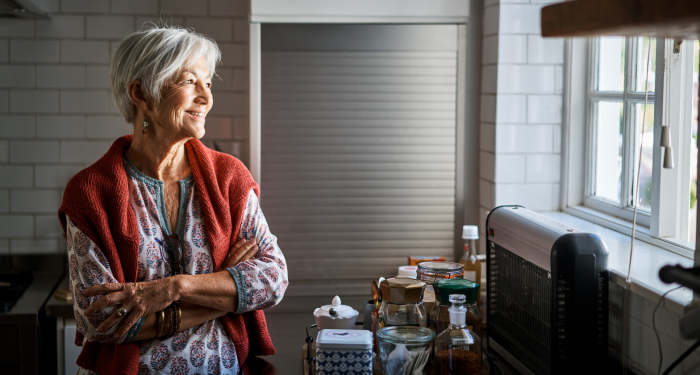
I know a woman in her early sixties who spent two decades as a hospital administrator. After she retired, people kept asking what trip she was planning. She told them she was planning to sit in her kitchen at four in the afternoon when the light came through the west window, and read whatever she wanted, and not explain it to anyone. Friends found this depressing. She found it the most luxurious thing she'd ever owned.
This is closer to the texture of late-life contentment than any cruise brochure. The people who seem to thrive after retirement tend to treat the first stretch as an apprenticeship in unstructured time, not as a vacation. They learn the skill of repetition the way younger people learn a language.
Repetition as a cognitive practice
There's also a quiet evidence base under all of this. Research on mindfulness interventions in older adults has shown that practices built around repeated, attentional engagement with simple stimuli produce measurable cognitive and psychological benefits. The same walk, observed closely, is closer to a meditation than to a chore. The brain that's been told to optimise for novelty its whole life finally gets to do something it's actually good at, which is noticing.
This is why the same window matters. You're not staring at nothing. You're letting your attention rest on something stable enough that you can finally see it.
The body is also voting
It's worth saying that late midlife isn't just a psychological pivot. It's a physiological one. Recent work on movement and sleep patterns across the lifespan suggests that consistent daily rhythms, the same walk at the same time, the same sleep window, predict longevity with surprising accuracy. The body is not asking for a thrill. It's asking for a rhythm it can synchronise with.
So when an older friend tells you they're walking the same three-mile loop every morning at 7am, they're not avoiding life. They're doing exactly the thing the data quietly recommends. The fact that it also happens to be cheaper than a Mediterranean cruise is its own kind of dignity.

The fear underneath
I want to be honest about the counterargument, because it's real. Some people retreat into repetition not because they've earned it but because they're afraid. The chair becomes a hiding place. The same walk becomes a way to avoid anyone who might ask how you're actually doing. Repetition can be a practice or it can be a fortress.
The difference, usually, is whether you're still updating yourself inside the routine. The people who age well tend to be the ones who keep editing their self-image even as their external life narrows. They walk the same loop but they notice new things. They sit in the same chair but they're reading something that's changing them.
The chair isn't the problem. A frozen self in the chair is.
Permission, not prescription
None of this is an argument that you should stop travelling or downsize your ambitions or accept some smaller version of life. Plenty of people in their seventies are taking the trip of their life and they should. Plenty of people in their forties are deep in the bigger-experience era and that's exactly where they need to be.
The point is more modest. There's a version of late midlife where the appetite genuinely changes, and the culture has almost no language for it, and people who feel it sometimes assume something is wrong with them. Nothing is wrong with them. They've just arrived at the part where the same window is finally enough.
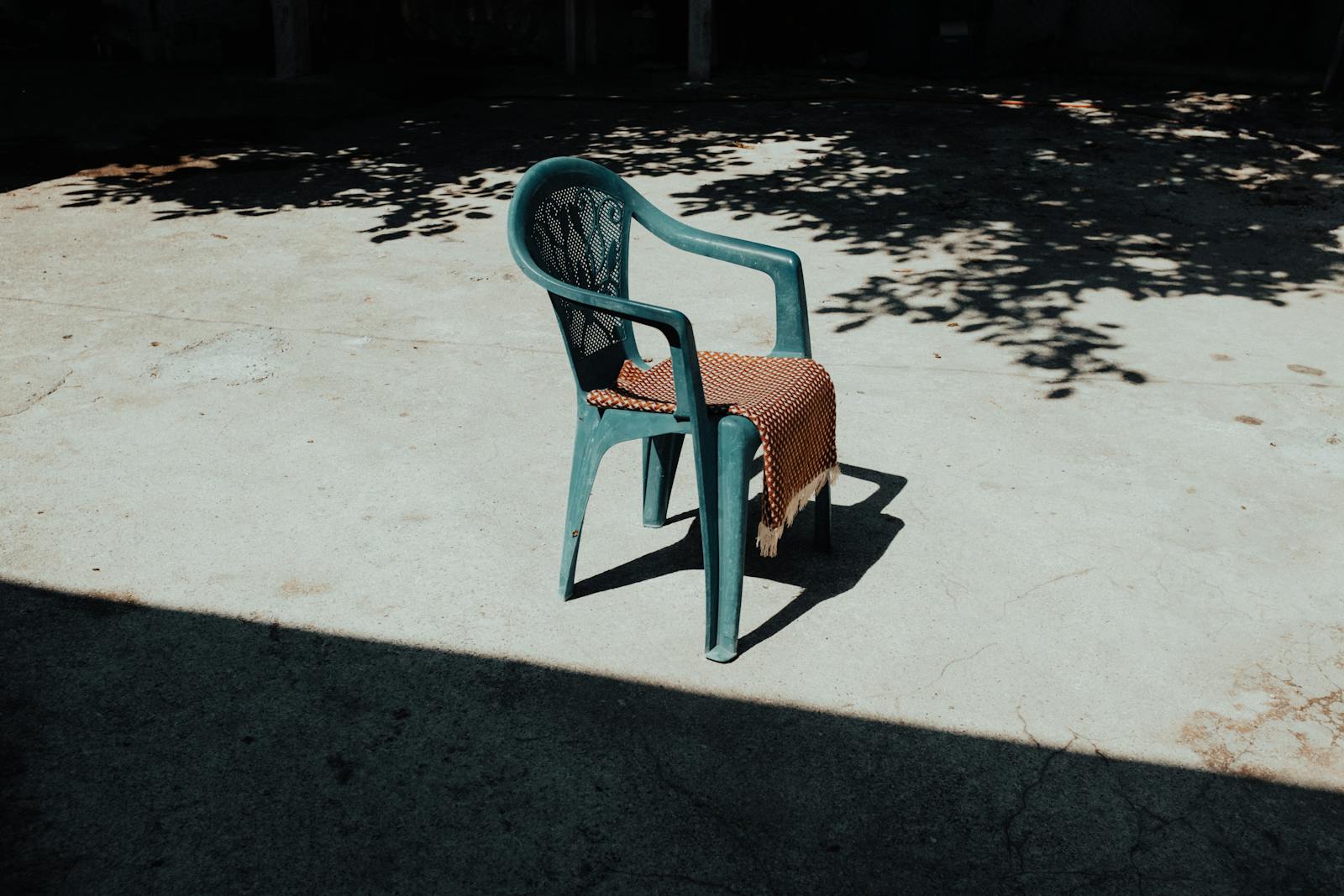
The walk you've done a thousand times is not a smaller life. It might be the first life you've actually lived without performing. The chair by the window is not surrender. It might be the first place you've sat down without bracing for the next thing.
The ordinary, after enough years, stops being a default and becomes a choice. And a chosen ordinary, repeated with attention, is one of the few things this economy hasn't figured out how to sell back to you. Which might be exactly why it feels, finally, like yours.