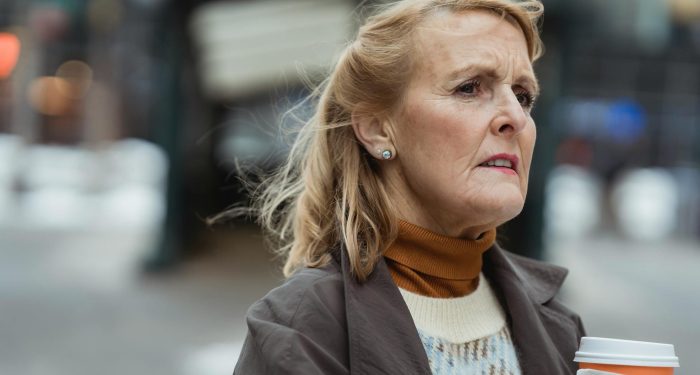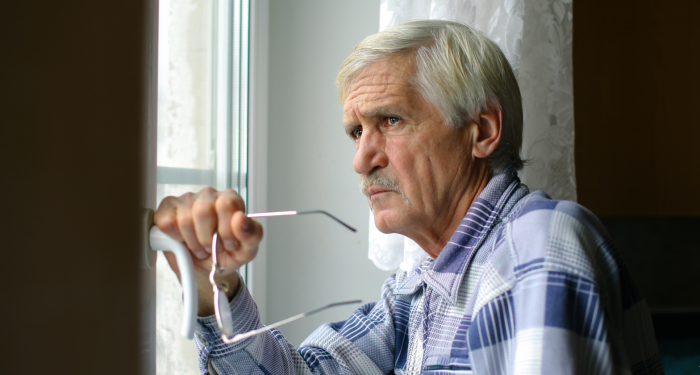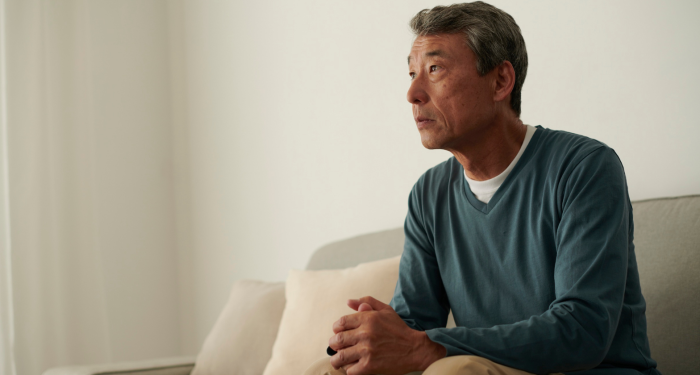
The perfect avocado, the burning sunset, the deer on your morning run — these tiny moments pile up inside you like unopened letters when there's no one to turn to and say "look at this," creating a specific kind of erosion that friends and family can't quite fill because they require scheduled sharing, not the ambient witnessing that makes life feel real.
A 2018 Cigna survey of 20,000 American adults found that nearly half reported feeling alone or left out on a regular basis, with the loneliest group being not the elderly, as most people assume, but adults under 35. What struck researchers wasn't the frequency of loneliness — it was its texture. People weren't describing isolation from humanity. They were describing the absence of someone who knew the small, unremarkable contents of their day.
I thought about that study last Tuesday, standing in my kitchen at 7 PM, holding a perfectly ripe avocado that had finally reached that magical sweet spot after days of waiting. The sunset was painting the sky this incredible shade of orange through my window, and I had this overwhelming urge to turn to someone and say, "Look at this! The avocado is perfect and the sky is on fire!" But there was no one there. Just me, the avocado, and that burning sky.
It wasn't sadness exactly. I've been single before, and this felt different. It was more like incompleteness — like the moment wasn't fully real because no one else witnessed it. And that's when it hit me: the hardest part about not having a partner isn't the big stuff everyone talks about. It's not about having no one to call in emergencies or spending holidays alone. It's the accumulation of these tiny, unshared moments that slowly chips away at you.
The weight of unwitnessed moments
Think about how many small observations you make in a day. The weird way your neighbor always checks their mailbox twice. The bird that's been building a nest outside your bedroom window. The random childhood memory that surfaces while you're brushing your teeth.
When you have a partner, these observations have somewhere to go. You mention them over morning coffee or text them during lunch. They become part of a shared narrative, validated simply by being heard. But when you're alone? They pile up inside you like unopened letters.
I started noticing this pattern in my journal entries. Since I picked up journaling at 36, I've filled 47 notebooks with reflections and observations. Looking back through them, I can see how the entries changed when I was between relationships. They became longer, more detailed, almost desperate to capture every nuance. Page after page of what the light looked like at 4 PM, what a stranger said at the grocery store, what I thought when I heard a particular song. I was trying to be my own witness — trying to catch the moments before they dissolved — but the notebook couldn't respond. It couldn't say "that's funny" or "I noticed that too" or even just nod. The record accumulated, but the loneliness didn't lift, because witnessing requires someone who can witness back.
The psychologist Irvin Yalom wrote about this phenomenon, calling it "existential isolation." It's not just being physically alone. It's the fundamental separateness of being human, the gap between your inner experience and anyone else's understanding of it. Having a partner doesn't eliminate this gap, but it creates a bridge. Without that bridge, even the most social person can feel profoundly alone.
Why casual connections aren't enough
You might be thinking, "But I have friends! I have family! I share things with them!" And you're right, you do. But friendship and partnership are not interchangeable witnesses, and pretending they are is part of what keeps people stuck.
Friends are wonderful, but you don't text your friend about the weird dream you had at 3 AM. You don't call them to mention that you just saw a cloud shaped like a dinosaur. These observations feel too small, too insignificant to warrant reaching out. With a partner, no observation is too small because you're already in each other's orbit.
I remember talking to a recently divorced colleague who put it perfectly: "I have more friends now than ever, but I've never felt lonelier. There's no one to tell that I finally fixed that squeaky cabinet door."
It's the difference between scheduled sharing and ambient sharing. With friends, you save up your stories for when you see them. With a partner, life unfolds in real-time, witnessed and validated as it happens.
The erosion happens slowly
Here's what's particularly insidious about this type of loneliness: it's gradual. You don't wake up one day feeling eroded. It happens one unshared sunset, one unwitnessed accomplishment, one silent celebration at a time.
I see this clearly in my morning trail runs. When I first started running alone at 5:30 AM, I loved the solitude. The quiet before sunrise felt peaceful, almost sacred. But over time, I started wishing I could share these moments. The deer family I pass every morning. The way the fog sits in the valley. The personal record I just broke on the hill climb.
Sure, I could post about it on social media. I could tell someone later. But by then, the moment has passed. It's like trying to describe a dream; something essential gets lost in translation.
A therapist once told me that humans are meaning-making machines, but meaning often requires a witness. When a tree falls in the forest and no one's there to hear it, it still makes a sound. But when you achieve something, feel something, or notice something and no one's there to witness it, does it fully exist in your personal narrative? This is the question that haunts the specifically lonely.
Building your own witness
So what do we do with all these unwitnessed moments while we're waiting for or searching for partnership? How do we keep from being eroded from the inside?
First, recognize that this feeling is valid. You're not being dramatic or needy. The desire to share your inner world is fundamental to being human. Acknowledging this need without judgment is the first step.
Second, become intentional about creating witness opportunities. This might mean scheduling regular calls with friends where you share the small stuff. One woman I know has a "daily details" text thread with her sister where they share random observations throughout the day. It's not the same as having a partner, but it creates a container for these moments.
Writing helps too. Those 15 minutes I spend journaling each evening have become my way of witnessing my own life. I write down the small things: the perfect avocado, the sunset, the funny thing I overheard at the coffee shop. It doesn't completely fill the void, but it keeps these moments from disappearing entirely.
Consider voice memos to yourself. There's something about speaking your observations aloud that makes them feel more real, even if you're the only audience. I've started doing this on my morning runs, quietly narrating what I see into my phone. It feels a bit silly at first, but it helps.
The deeper truth about connection
Here's something I've learned after years of moving between solitude and partnership: the quality of your relationship with yourself determines the quality of loneliness you experience. This isn't some "you have to love yourself first" platitude. It's more nuanced than that.
When you develop the practice of truly witnessing your own life, really paying attention to your thoughts and experiences, you become less dependent on external validation. You still crave connection (that never goes away), but the loneliness becomes less erosive.
I think about Marcus, who I met at a trail running event five years ago. One of the things that drew me to him was how comfortable he seemed in his own skin, how he could appreciate a moment whether someone was there to share it or not. He'd cultivated an internal witness long before we met.
Final thoughts
That Tuesday evening, I took a photo of the avocado and the sunset. Not for social media. Just for me. I sat with the toast I made and tried to taste it slowly. I watched the sky fade.
It helped a little. It didn't help enough.
The truth is that self-witnessing is a coping mechanism, not a cure. You can narrate your life into a voice memo, fill forty-seven notebooks, photograph every sunset — and the moment will still feel lighter when someone who knows you texts back "that's beautiful." I don't want to pretend otherwise. The specific loneliness of having nowhere to put your daily observations doesn't resolve because you've made peace with it. It just becomes something you carry, quietly, while you keep noticing things.