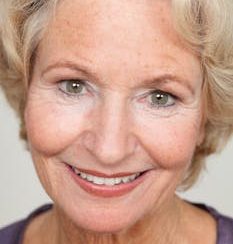
At 70, she watches her neighbors—the same ones who spent decades warning her about the dangers of solitude—now panic when left alone for even an afternoon, while she sits peacefully with her morning tea, thriving in the exact life they swore would destroy her.
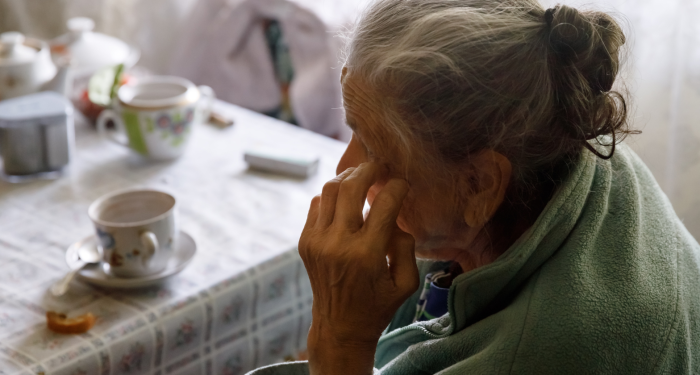
The morning ritual looks different at every house on my street. Through windows, I see my neighbors rushing through breakfast with the television providing constant background chatter, phones pinging with notifications, spouses discussing the day's logistics over coffee. Meanwhile, I sit in complete silence at my kitchen table, watching steam rise from my tea, feeling the weight of quiet settle around me like a familiar shawl. At 70, this silence doesn't frighten me. It never has. What frightens me is watching those same neighbors, the ones who once worried about my solitary ways, now panic when left alone for even an afternoon.
The chorus that got it wrong
They started early with their warnings, a Greek chorus of concerned voices following me through decades. My mother first, clutching her pearls when I announced I wanted my own apartment after college instead of moving back home. "But who will you talk to in the evenings?" she asked, genuinely bewildered that conversation wasn't a survival requirement. Then came the relatives at family gatherings, clucking their tongues when I'd bring a book to read during the chaos. "She's too comfortable alone," they'd whisper, as if diagnosing an illness.
The warnings intensified when my first marriage ended. I was 28 with two toddlers, and everyone had an opinion about how quickly I needed to "find someone." But those years raising my children alone, despite the financial struggles and exhaustion, taught me something valuable. Even surrounded by the constant needs of small children, I carved out moments of solitude like a prospector panning for gold. Those 5 AM wake-ups before the children stirred, those late-night hours after bedtime stories, became my sanctuary.
Learning the difference between alone and lonely
Is there a lonelier feeling than being unseen in your own marriage? I discovered this during those final years with my first husband, sitting across from someone at dinner with nothing to say, feeling more isolated than I ever did in my empty apartment as a young woman. Loneliness, I learned, has nothing to do with the number of people in a room and everything to do with the quality of connection, even the connection to yourself.
After my divorce, I waited three years before introducing my children to the man who would become my second husband. Friends were scandalized. "You're wasting time," they said. But I wasn't wasting anything. I was learning who I was without being someone's wife, discovering my own thoughts without someone else's opinions crowding them out. When he finally met my children, I was a whole person choosing to share my life, not a broken one looking to be fixed.
The practice of solitude
Nobody tells you that being comfortable alone is like developing any other skill. You don't just wake up one day immune to loneliness. You practice. You start with small doses, an hour here, an afternoon there. You learn to distinguish between the discomfort of growth and the pain of isolation. You discover that your own thoughts can be interesting company if you've done the work to make them so.
My daily routine would seem spartan to many. I wake naturally at 5:30, no alarm needed after years of training my body's rhythm. The first hour belongs entirely to me and my journal, no phone, no radio, just the sound of my pen on paper and the house settling around me. I tend my garden in the morning quiet, hands in soil, mind wandering where it will. Afternoons find me in my sunroom with a book, losing myself in stories without apology or interruption.
But this isn't isolation. I have my weekly supper club, five women who've become family by choice rather than blood. There's my volunteer work at the women's shelter, teaching resume writing to women starting over. My grandchildren get individual adventure days with me, precious one-on-one time where we explore museums or nature trails. These connections matter more because they're chosen, boundaries intact, not desperate grabs for company.
When the pandemic proved me right
March 2020 arrived like a vindication I never asked for. While others panicked about lockdown, I watched with quiet amazement. This was just life as I'd always lived it. My books, my garden, my journal, my evening walks, the structure I'd built over decades held firm while others scrambled to learn what I'd been practicing for years.
I took up birdwatching during those quiet months, learning to identify fifty species by sound alone. Started writing at 66, finally brave enough to believe my stories deserved space. Began learning Italian through online classes, preparing for a trip I'd dreamed about since teaching Romeo and Juliet to teenagers. The enforced isolation that broke so many was just another Thursday for me.
Meanwhile, I watched couples who'd never learned to be alone with themselves struggle in ways that surprised them. Unable to escape to offices or social gatherings, they discovered they didn't actually know how to be together without an audience or agenda. Some called me, these women who'd once pitied my solitude, asking how I managed the quiet. "The quiet isn't the problem," I wanted to tell them. "It's what you hear in it that matters."
What they don't understand about chosen solitude
Virginia Woolf wrote about a woman needing a room of her own, but she meant more than just physical space. She meant the psychic space to think your own thoughts, to know your own mind, to exist without constantly performing for others. This is what my critics never understood, that my solitude wasn't about rejecting others but about claiming myself.
When my second husband died two years ago, after a long battle with Parkinson's, I grieved deeply. Those first six months, I barely left the house, not from fear of being alone but because grief demands its own timeline and space. But when I emerged, when I started my evening walks again and returned to my watercolor class, I realized I was returning to myself like someone greeting an old friend.
Now I watch my peers struggle with widowhood in ways that break my heart. They don't know who they are without being someone's wife, someone's mother, someone's something. They call me asking how I fill my days, and I don't know how to explain that my days don't need filling. They're already full with purpose I've cultivated over decades.
The strength that comes from self-reliance
There's a particular resilience that develops when you learn to be your own safe place. When I had a breast cancer scare at 52, sitting alone in oncology waiting rooms, I had myself. When we struggled financially after my divorce, making mac and cheese stretch for three dinners, I had myself. When I watched my second husband's brilliant mind fade day by day, I had myself. Not as a consolation prize but as a foundation.
My son worries about me. He calls asking what I'm doing, and when I say "reading" or "gardening" or "just thinking," I hear concern in his voice. His generation seems to believe constant connection is necessary for survival, that any moment alone is a crisis requiring intervention. But my daughter understands better. She told me recently, "You taught me that being alone is a skill, like cooking or driving. Something you practice until it becomes natural."
She's right, though I didn't know I was teaching it. I was just surviving, showing my children through example that you can be complete without constant validation, that your worth doesn't depend on how many people need you, that sometimes the kindest thing you can do for others is to not need them desperately.
Final thoughts
At 70, I'm not the cautionary tale they predicted. I'm not lonely or bitter or surrounded by cats (though I do have one cat who, like me, appreciates parallel companionship over constant interaction). I'm a woman who trusted her instincts about what she needed to thrive, even when those instincts ran counter to everything society told her.
The truth is, I prepared for this life without knowing it. Every book I read was practice in keeping myself company. Every journal entry was training in being my own confidant. Every stolen moment of solitude was an investment in this future self who would need to know the difference between being alone and being lonely.
When friends ask how I do it, how I manage such contentment in solitude, I want to say: the same way you manage anything that matters. With intention. With practice. With the understanding that being alone isn't something to survive but something to inhabit fully. The warnings I received my whole life about ending up alone? They were right about one thing. I did end up alone. They just were wrong about it being empty.