She thought she understood solitude until the day she realized she'd been having full conversations with her tomato plants and they'd become her most reliable companions.
I've been discovering that the word "alone" changes meanings as you age, the way light shifts throughout a day, imperceptible until suddenly you're sitting in darkness wondering when exactly the sun went down.
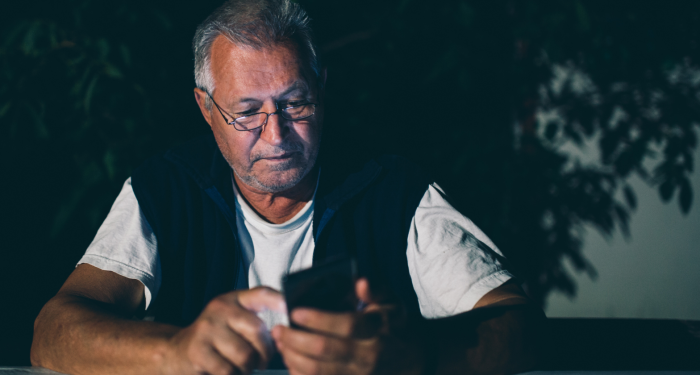
Last week, I was folding laundry when I realized I hadn't spoken to another human being in three days. Not truly spoken, beyond the rehearsed pleasantries with the grocery store clerk who never quite makes eye contact. The television had been on, creating the illusion of voices in the house, but I'd muted it hours ago without noticing. The silence had become so familiar it felt like breathing.
At 70, after four years of writing following a career in the classroom, I've learned that loneliness doesn't arrive with fanfare. There's no moment when you officially become lonely, no threshold you cross. Instead, it accumulates like sediment, layer upon invisible layer, until one ordinary afternoon you look up from your book and realize the last time someone touched you with intention was at your husband's funeral two years ago, when your daughter held your hand during the eulogy.
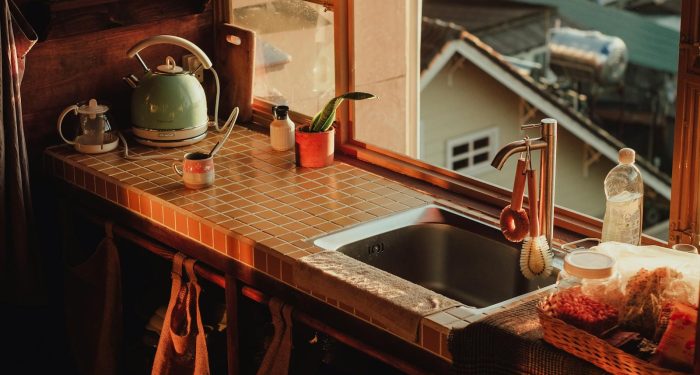
The house tells the story if you know how to listen. There's the kitchen table that seats six but hasn't hosted more than one for Sunday dinner in two years. The second bathroom that stays perpetually clean. The closet still half-full of my husband's clothes because removing them would make the emptiness too literal. These spaces hold the shape of a fuller life, like the indent left in a cushion after someone stands.
I remember the precise moment I understood what was happening to me. It was a Thursday morning, and I'd just finished volunteering at the women's shelter where I teach resume writing. One of the women, probably thirty-five, had thanked me with such genuine warmth that I found myself sitting in my car afterward, unable to drive, overwhelmed by how starved I was for that simple recognition. When you're young, gratitude comes in waves. When you're old, it arrives in droplets, and you learn to catch each one.
The pandemic merely made visible what was already true for many of us. While younger people lamented their sudden isolation, those of us over 65 recognized the landscape immediately. We'd been living there already, in that country where days blend together, where putting on real clothes feels like an occasion, where you realize you're having entire conversations with yourself and answering back. The only difference was that suddenly everyone else was homesick for a world we'd already lost.
My weekly routines have become a kind of architecture holding up the days. Thursday morning coffee with my neighbor. Sunday evening calls with Grace. The widow's support group where we women have learned to laugh at things that would have horrified our younger selves. Between these pillars, time moves like water, formless and difficult to hold. I can lose entire afternoons to reading, emerge at dinner to wonder where the day went, though I know exactly where it went — into the silence, absorbed like everything else.
The children help, when they can. My granddaughter, eight years old and obsessed with mysteries, still meets me for our library adventures. But I see the future clearly. She'll grow beyond needing her grandmother's company. It's the natural order, the way it should be, but knowing this intellectually doesn't soften the anticipatory grief of another goodbye approaching on the horizon. You learn to love with open hands at my age, ready to release at any moment.
Writing has become my companion in ways I didn't expect when I started at 66. The blank page never cancels plans, never moves across the country, never gets too busy to return calls. But even this relationship has its limits. Words on a screen don't laugh at your jokes. They don't ask how you're really doing and wait for the honest answer. They don't notice when you've worn the same cardigan three days running because no one else will see it anyway.
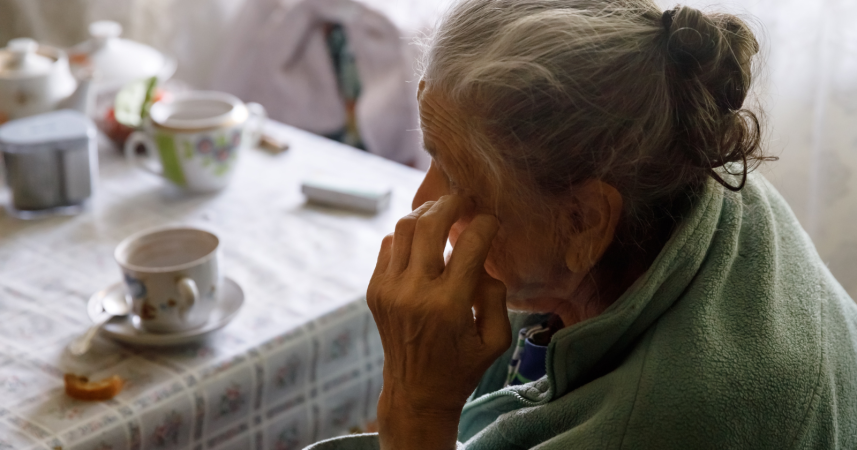
I think about my mother often now. Alzheimer's took her memory but left her strangely content in her final years. She couldn't remember being connected to anyone, so she couldn't feel disconnected. There's a perverse logic to it, a kind of terrible mercy. Some mornings, making my tea in the pre-dawn quiet, I wonder if forgetting might not be easier than remembering all the voices that once filled these rooms.
The young teacher I mentor asked me recently what surprised me most about aging. I told her it wasn't the physical changes, though those are real enough. It's how you can be surrounded by evidence of a rich life — photos, letters, certificates of achievement — and still feel like you're standing outside your own history, looking through a window at someone else's experiences. The woman in those photographs, surrounded by students, by friends, by family, feels fictional now. Did I imagine her? Was she ever real?
There's a particular quality to 2 AM loneliness that's different from its daytime cousin. At night, it has teeth. That's when I miss the sound of another person breathing, the warmth of another body adjusting in sleep, the simple animal comfort of not being the only heartbeat in the house. I've learned to negotiate with these hours, to offer them tea and reading, sometimes writing, until they release their grip and let me return to sleep.
But I'm learning something else too, something I couldn't have understood at 40 or 50 or even 60. Loneliness isn't the opposite of connection. They can coexist, like winter and the promise of spring, each containing the other. Yesterday, working in my garden, I found myself telling the tomatoes about my husband's last good day, when he smiled at me with full recognition. The plants didn't respond, of course, but speaking the words aloud into the afternoon air felt like both loneliness and its cure, administered in the same breath.
My former students sometimes write to me. They're in their forties now, with teenagers of their own, and they tell me about books they're reading, conflicts with their kids that echo our old classroom discussions. These emails arrive like unexpected gifts, proof that connection isn't bound by proximity or frequency. Love, I'm learning, has a longer half-life than I imagined. It persists even through silence, even through absence, even through the accumulation of quiet days.
I've started saying yes to everything, even things that scare me. Piano lessons despite my arthritic fingers. Watercolor classes where my paintings look like accidents. The library board position I don't really want but which forces me to leave the house on Wednesdays. Not because these activities cure loneliness — they don't — but because they create a framework for days that might otherwise dissolve into each other like watercolors in rain.
Final thoughts
The silence is still here, faithful as sunrise. It settles onto surfaces, fills corners, expands to fit whatever space I give it. But I'm learning to live alongside it rather than in opposition to it. Tomorrow I'll wake at 5:30, make my tea, sit with my journal. The loneliness will be there, patient and familiar. But so will I, still writing my way through these accumulating days, still insisting on meaning even when no one's listening, still here in all my accumulated aloneness and my absolute refusal to disappear. Perhaps that's not triumph, but it's not surrender either. At 70, I'll take it.