After decades of feeling invisible across from loved ones who treated dinner conversation like background music, she discovered that the empty chair across from her held more warmth than all those occupied seats ever did.
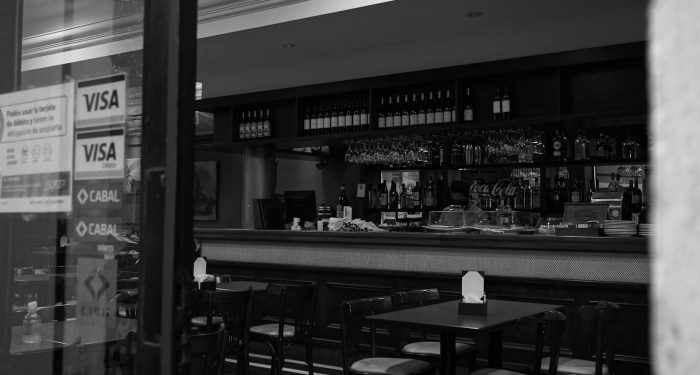
The last time I ate dinner alone at a restaurant, I watched a couple at the next table spend forty-five minutes together without making eye contact once. She talked to the air above his head while he scrolled through his phone, occasionally grunting acknowledgment. They might as well have been dining in separate cities. Meanwhile, I sat with my book and my pasta, feeling more connected to myself than I'd felt in years of similar dinners where I was the one talking to the air above someone's head.
When presence becomes more valuable than company
Have you ever sat across from someone you love and felt utterly alone? I spent decades perfecting the art of conversation with people who weren't really there. My first husband could make a two-hour dinner feel like solitary confinement, his mind always somewhere between yesterday's meeting and tomorrow's deadline. Even now, years later, I can still feel the weight of those silences, heavy with everything we weren't saying, couldn't say, had stopped trying to say.
The strange thing about loneliness is that it often intensifies in company. When you're alone, you expect solitude. When you're with someone who treats you like background noise, the isolation cuts deeper. After my second husband developed Parkinson's, I watched him slip away gradually, his attention fracturing like light through a prism. Those dinners became exercises in grief, each meal a little more solitary than the last, even though he sat right across from me.
Research indicates that solo dining can be a form of psychological self-care, allowing individuals to enjoy meals without the pressures of social interaction. What they don't capture in those studies is the liberation that comes after you've spent decades performing connection for an audience that isn't watching.
The difference between alone and lonely
Virginia Woolf once wrote about the necessity of a room of one's own. I'd argue for the necessity of a table of one's own, too. There's something profoundly honest about sitting alone with your meal, no performance required, no need to fill silences that aren't really silent when they're yours to keep.
I think about all those anniversary dinners where I competed with work emails for attention, family gatherings where everyone talked but nobody listened. My children, even as adults, would offer those hollow "uh-huhs" while their minds wandered to their phones, their plans, anywhere but the present moment. I'd mistaken their physical presence for actual presence, confused sharing space with sharing experience.
The first time I deliberately chose a table for one at the Italian place downtown, I expected to feel self-conscious. What would people think, seeing this silver-haired woman dining alone? But as I sat there with my carbonara and the evening light streaming through the window, something shifted. For the first time in decades, I could actually taste my food. I wasn't using it as a prop for conversation that would drift past unheard. I wasn't timing my bites between attempts to anchor someone's wandering attention.
Relearning the art of your own company
During my teaching years, I often ate lunch alone in my classroom, grading papers or preparing lessons. Those thirty-minute respites were islands of peace in chaotic days. Yet somehow, I'd convinced myself that dinner was different, that evening meals required company, even poor company. How many years did I spend believing that an occupied chair across from me meant connection, even when the occupant might as well have been a ghost?
Now I order exactly what I want. Sometimes it's the appetizer as my main course, sometimes dessert when I'm barely through the salad. There's no one checking their phone while I describe my day, no one reading the menu while I share something that matters to me. The waitstaff at my regular spots know me now, this woman who tips well and never seems to be waiting for anyone. They don't pity me. Why would they? They've seen what real loneliness looks like, and it usually involves two people at the same table.
Interestingly, a study found that elderly participants ate more and rated food as better tasting when eating alone in front of a mirror, suggesting that self-reflection can enhance the eating experience even without others present. I don't need a mirror, though. I've learned that my own thoughts make perfectly good dinner companions. They show up on time, they listen when I need them to, and they never once check their phones mid-conversation.
The courage to choose solitude over poor company
Sometimes I catch the eyes of other solo diners and recognize kindred spirits. We're the ones who've learned that loneliness isn't about being alone; it's about being with people who make you feel alone. We've discovered that an empty chair can hold more possibility than a filled one that might as well be vacant.
This isn't about becoming a hermit or swearing off connection. It's about raising your standards for what connection means. After decades of accepting crumbs of attention from people I loved, I've learned that I deserve someone fully present at my table, even if that someone is only myself. My weekly solo dinners have become rituals of self-respect, declarations that I'd rather have no company than poor company.
I remember one particular evening, maybe six months after I'd started dining alone regularly. A younger woman at a nearby table kept glancing at me with what looked like sympathy. Finally, she leaned over and asked if I was waiting for someone. "No," I told her, "I'm having dinner with someone. Me." The confusion on her face shifted to something like recognition, maybe even envy.
Of course, as a study in Macao found, solo diners often experience negative emotions such as loneliness and discomfort in public settings. But I wonder if those feelings come from actual solitude or from societal expectations about what dining should look like. Once you've spent enough years feeling alone in company, actual solitude starts to feel like honesty.
Final thoughts
That couple I mentioned at the beginning? They left the restaurant together but separately, their physical proximity a poor substitute for genuine connection. Meanwhile, I finished my meal in peaceful contemplation, fully present to the taste of my food, the warmth of the room, the satisfaction of my own company.
After all those years of words disappearing into the void across the table, being heard by yourself becomes its own form of communion. The table for one isn't deprivation; it's the first meal in decades where everyone present is actually listening.