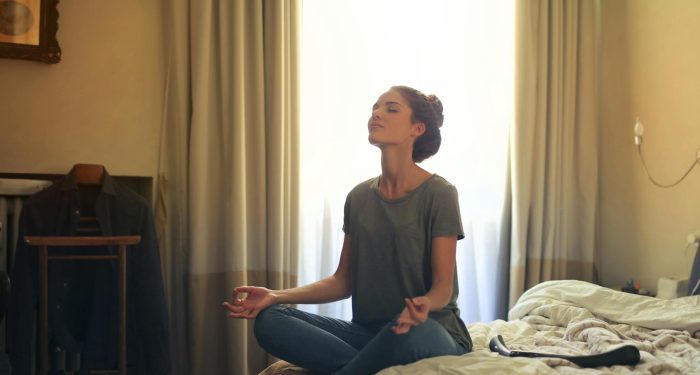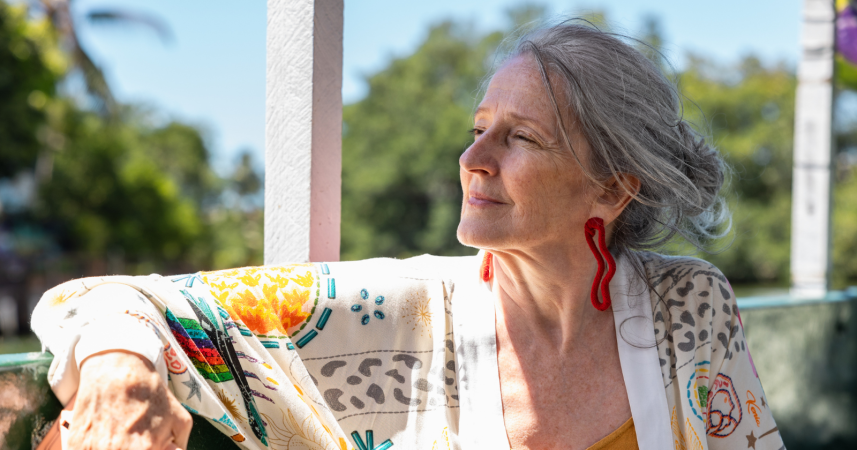
After decades of molding herself to fit others' preferences, a 70-year-old woman discovers she can no longer answer a simple question about her own desires—and realizes the devastating cost of a lifetime spent editing herself out of her own story.
Last week, standing in the kitchen with morning light streaming through the windows I'd cleaned the day before, my husband asked me what I wanted to do with our Saturday. The question hung in the air between us while I searched for an answer that wouldn't come. Not because I had no preferences, but because I'd spent so many years editing my desires to match others' that I'd lost access to my own. The realization hit me with the force of all those accumulated years: I had become a stranger to my own wanting.
The slow disappearance of desire
When you've spent decades as a high school English teacher, you learn to recognize patterns in stories. The tragic flaw, the slow build to revelation, the moment when everything shifts. But somehow I missed the pattern in my own life until that Saturday morning. Looking back now, I can trace the editing of my desires like tracking footprints backward through snow.
It started innocently enough, during my first marriage. He preferred action movies, so I learned to find meaning in explosions and car chases, tucking my love for foreign films into stolen afternoon moments. He thought my weekend writing workshops were "a bit much," so I switched to online courses I could do while he watched sports. These seemed like small compromises, the kind every marriage requires.
Virginia Woolf wrote about the importance of a room of one's own, but what about a preference of one's own? A desire unfiltered through someone else's comfort? After my divorce, I thought I'd reclaimed these things. As a single mother, every decision was mine to make. But even then, my wants were filtered through necessity, through my children's needs, through what would keep us all afloat.
Do you remember the last time you wanted something purely, simply, without immediately calculating its impact on everyone around you? I realized that morning that I couldn't. Every desire I'd had for decades came pre-edited, pre-softened, already shaped to fit into the spaces others had left for me.
Learning to be convenient
My second marriage began later in life, and I thought I knew exactly who I was. We met at a school fundraiser where I accidentally outbid him on a weekend getaway package. He laughed about it, said I must have wanted it more. But even then, I immediately offered to let him have it instead. He refused, but the pattern was already showing itself.
He was a good man who showed love through quiet consideration. When we moved in together, I noticed he was an early riser, so I trained myself to wake at 5:30. He liked routine, so I learned to have dinner ready at exactly 6:00. He found my teacher friends exhausting after his long days, so I started meeting them for lunch instead of inviting them for dinner.
None of these felt like sacrifices at the time. They felt like love. My mother, who kept house for my mailman father for fifty years, had shown me that love meant putting family first. But somewhere between putting others first and putting myself last, I disappeared entirely.
When he developed Parkinson's disease, the editing of my desires became complete. Every decision filtered through his needs, his comfort, his increasingly limited abilities. I retired from teaching at 64, telling everyone it was because my knees were giving me trouble. That was true, but it wasn't the whole truth. The whole truth was that he needed more care than visiting nurses could provide, and I'd already edited my future to match his present.
The weight of inherited patterns
After he died, I spent months in what felt like suspended animation. Grief, yes, but also a strange emptiness where my preferences should have been. What did I want for dinner when no one else's digestion mattered? What time did I want to wake when no one else's schedule demanded synchronization? The freedom felt paralyzing.
In one of my recent posts about rediscovering purpose after loss, I mentioned taking up watercolor painting. What I didn't mention was how long I stood in the art supply store, unable to choose colors because I'd never asked myself which ones I actually liked. I'd spent so many years decorating around other people's tastes that my own had atrophied.
Have you ever noticed how many women's magazines feature articles about "compromise" and "flexibility" in relationships, but rarely about maintaining your own desires? We're taught that good partners adapt, that strong marriages require sacrifice. But somewhere we confused adaptation with erasure, sacrifice with disappearance.
My grandmother's generation had a saying: "You've made your bed, now lie in it." But they never mentioned that we're often making beds to someone else's specifications, with sheets they prefer, in rooms they've chosen. We lie in beds that were never ours to begin with.
Starting the excavation
When I found myself in a new relationship, I thought I was bringing a whole person to it. I'd done the work, as they say. I'd grieved, healed, learned to live alone. I'd even started writing, finally putting words to experiences I'd kept silent for decades. But that Saturday morning question revealed that I'd simply traded one set of edited desires for another.
My current partner is kind, patient, understanding. When I told him I couldn't answer his question about Saturday, he didn't dismiss my confusion or try to solve it for me. He simply said, "That's okay, take your time." But that's exactly the problem. I've taken all the time, shaped it around others, given it away in pieces until none remained that was purely mine.
So I'm starting with small rebellions. Yesterday, I played piano at 7 in the morning, badly but loudly. I've always been an early morning person, but I'd hidden it, muffled it, made it convenient. This morning, I made eggs with too much garlic because I love garlic, even though he prefers things mild. These feel revolutionary, which shows how far I've traveled from myself.
What surprises me most is how physical the reclamation feels. My body remembers preferences my mind had forgotten. The way I actually prefer to sleep diagonally across the bed. The temperature I like the house. The way I want to move through space without constantly adjusting my path for others.
Final thoughts
At 70, I'm learning that loving someone doesn't require the abandonment of self. That my desires matter not because they're grand or important, but because they're mine. This Saturday, when he asks what I want to do, I'm going to tell him the truth, even if that truth is inconvenient, even if it means separate plans, even if it reveals that I'm still becoming someone he's only beginning to know.
The question isn't really about Saturday plans. It's about believing I deserve to want things at all. And at this age, if not now, when?
What’s Your Plant-Powered Archetype?
Ever wonder what your everyday habits say about your deeper purpose—and how they ripple out to impact the planet?
This 90-second quiz reveals the plant-powered role you’re here to play, and the tiny shift that makes it even more powerful.
12 fun questions. Instant results. Surprisingly accurate.