
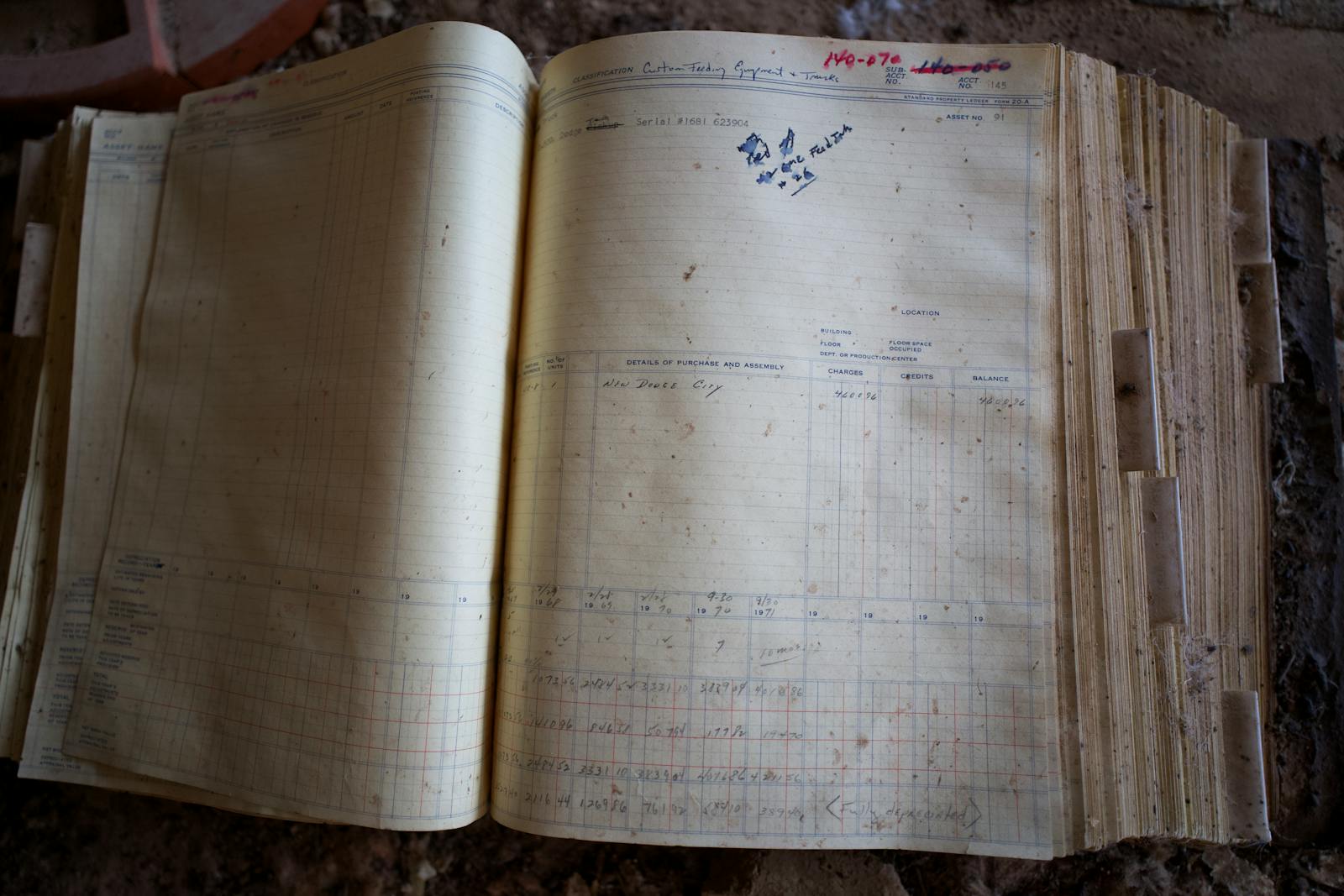
Generosity freely given is forgotten; generosity kept track of builds a ledger you'll eventually be asked to settle with interest. What looks like kindness today might be a delayed invoice.
Generosity and debt can look identical from the outside. The same dinner, the same ride to the airport, the same favor on a Tuesday afternoon. One version is freely given and forgotten, the other gets filed away in a mental spreadsheet that will eventually be presented to you with interest.
The difference shows up later. Usually years later.
Most of us were raised to believe that generosity is a character trait. Someone either has it or they don't. But that framing misses something that behavioral research has been exploring: what looks like generosity is often a transaction with a delayed invoice.
The giver isn't acting from abundance. They're making deposits.
And when the account comes due, you'll know it. The tone changes, and you might hear phrases like 'after everything I've done for you' delivered flat, usually during an argument.
The psychology of the ledger
Psychologists distinguish between two kinds of motivation, and the distinction matters here more than most people realize. Intrinsic motivation means you do something because the doing itself is the reward. Extrinsic motivation means you do it for what you expect to get back. Approval, reciprocation, leverage, social standing.
The concept comes from a framework developed by Richard Ryan and Edward Deci at the University of Rochester. Their Self-Determination Theory argues that people have an innate drive to act from genuine interest rather than external calculation, and that the quality of the action changes depending on which engine is running it.
When someone helps you out of intrinsic motivation, the help is the point. They did it because they wanted to. The story ends there.
When someone helps you out of extrinsic motivation, the help is a means to an end. It might look identical in the moment. But it's structured differently. It comes with an implied contract, even if that contract never gets spoken out loud.
Why the ledger-keeper often doesn't know they're doing it
This is the part that gets messy. Most people who keep ledgers don't think of themselves as score-keepers. They think of themselves as generous. They genuinely believe they're giving freely.
But extrinsic motivation covers a wide range of external drivers. Financial gain, praise, approval, avoidance of guilt, the desire to be seen a certain way. You can be extrinsically motivated and feel like you're acting from the goodness of your heart. The two aren't mutually exclusive, and the self-deception can run deep.
The tell isn't in the giving. It's in the remembering. Ledger-keepers remember everything. The dinner in 2019. The time they drove across town. The birthday they didn't miss. The loan, the favor, the introduction. They can produce the receipts on demand, which tells you the receipts were being kept. People who give from a full cup tend to actually forget what they've done, not performatively, not as a flex. Because the act completed itself in the doing. There's no open loop to track.
Where ledger-keeping comes from
If you grew up in a house where love was conditional on performance, where affection was released in exchange for compliance, or gratitude, or visible appreciation, you learned that giving is a form of currency. You learned to track it. Because the people around you were tracking theirs.
This is the environment that produces ledger-keepers. Not cruelty. Just a family system where love was metered.
What the research actually shows about transactional giving
Research on intrinsic and extrinsic motivation suggests that while both can drive behavior in the short term, they produce fundamentally different quality outcomes over time. Extrinsically motivated action tends to erode when the reward disappears. Intrinsically motivated action sustains itself. Applied to relationships, the implication is uncomfortable. If someone is "generous" because of what they expect to receive, whether gratitude, loyalty, leverage, or a sense of being owed, then their generosity is contingent. It's running on borrowed fuel. When the fuel runs low, the behavior stops, and often turns into resentment. Studies have found that overreliance on external rewards can actually undermine the intrinsic motivation that was there to begin with. Start paying a kid to read books they already loved, and eventually they only read for the payment. The internal drive corrodes.
The same thing happens in adult relationships. If you start keeping score, you stop being able to give freely. The ledger takes over. You can't go back.
The moment the account comes due
You often discover you're in a ledger relationship when someone tells you they've done a lot for you, or reminds you of what they've given up, or the more passive version where they express feeling the relationship isn't reciprocal.
What's happening in that moment isn't a request for reciprocity. It's a presentation of a bill you didn't know you were running up.
The painful part is that you often can't argue with it. Maybe they did do those things. Maybe they did drive you to the airport, pick up the dinner check, show up when your dad was sick. The facts aren't in dispute. What's in dispute is whether those acts were gifts or loans, and you're finding out retroactively that they were loans.
The terms were never disclosed. But they're being enforced anyway.
Why this pattern is so hard to spot early
Ledger-keepers are often, on the surface, the most generous-seeming people in your life. They remember birthdays. They show up. They offer rides and loans and introductions. Early in a relationship, whether romantic, platonic, or professional, they can feel like the most attentive person you've ever met.
The red flags are subtle. Watch for:
The narration. People who give freely rarely describe their own giving. Ledger-keepers narrate constantly. Not always to you, sometimes to third parties, where it gets back to you. You hear about how much they do. This is the ledger being read aloud in semi-public.
The comparison. The comparison might sound like someone saying they would never accept such treatment from a friend, or they might describe what they did when they were in a similar position, framed as concern but functioning as a performance review.
The disproportionate hurt. When you can't reciprocate something small, when you miss a call or forget to ask about their week, the reaction is bigger than the offense warrants. Because in ledger math, every missed return payment is a default.
What happens to the people on the receiving end
If you've been in a long-term relationship with a ledger-keeper, you start to develop a kind of relational debt anxiety. You can't accept help without calculating what it will cost you later. You decline favors that would be freely given in healthier dynamics, because you've learned that nothing is actually free.
This shows up in friendships too. I've written before about the specific loneliness of being the person who always reaches out first, and the ledger dynamic is its cousin. Both involve people who have quietly concluded that the relationship isn't equitable, and both tend to end not in confrontation but in withdrawal.
You also become hypervigilant about your own giving. You start asking yourself whether your generosity is actually generous, or whether you've absorbed the ledger mentality from the person you learned it from. This is useful, actually. It's one of the few good things ledger-keepers give you: a reason to audit your own motives.
The exit, when it comes
Ledger relationships rarely end with a dramatic confrontation. They end the way most adult relationships end, through slow, polite withdrawal. I've written about what relationship researchers call ambient distance, and ledger dynamics are one of its most common causes. You don't break up with the score-keeper. You just stop calling.
And then one day they call you, and the ledger gets read aloud one final time, and it confirms everything you suspected about why you stopped calling.
What to do with this once you see it
If you recognize yourself as the person on the receiving end of a ledger, the work is mostly about boundaries. Not angry ones, just clear ones. When someone offers something, whether a favor, a ride, or a loan, you're allowed to ask, directly, what the terms are. Not sarcastically. Genuinely. "I appreciate that, are you sure? I don't want this to become something that creates pressure later." Most people who give freely won't even understand the question. Ledger-keepers will bristle at it, which is information.
You can also stop accepting generosity that makes you feel indebted rather than grateful. The body knows the difference before the brain catches up. If receiving a gift makes your stomach tighten instead of soften, pay attention. That's your nervous system reading the fine print your eyes can't see.

If you recognize yourself as the ledger-keeper, and this is harder, because the ledger feels like evidence that you're the generous one, the work is different. It starts with a question you have to sit with honestly: Would I still do this if I knew for certain I would never be thanked, never be repaid, never be acknowledged? If the answer is no, what you're doing isn't generosity. It's an investment. And investments are fine in finance, but they corrode relationships because the other person didn't agree to be your debtor.
Here is the uncomfortable part. Most ledger-keepers will read an article like this, recognize the pattern in someone else, and feel vindicated. They will send it to the person they believe owes them. They will not see themselves in it, because the ledger has already convinced them their accounting is accurate and everyone else's is wrong. That's how the trap closes.
So the real question isn't whether you can spot a ledger-keeper in your life. You probably already have. The real question is whether you're willing to consider that someone in your life is quietly drafting this exact article about you, and has already decided not to send it, because they've already decided to stop calling. By the time you notice the silence, the account has been closed. You won't get to dispute the charges. You won't get to present your side of the ledger. The only vote that mattered was cast the moment they realized nothing you gave them was ever actually free.
If You Were a Healing Herb, Which Would You Be?
Each herb holds a unique kind of magic — soothing, awakening, grounding, or clarifying.
This 9-question quiz reveals the healing plant that mirrors your energy right now and what it says about your natural rhythm.
✨ Instant results. Deeply insightful.

Oliver Park
He/Him
Oliver Park writes about food with the precision of someone who spent a decade behind the line. A former professional chef turned food journalist, he covers plant-based cuisine, food science, and the culture of eating well. His recipes are tested, honest, and built to work on the first try. Based in Portland, Oregon.
More Articles by Oliver